Home / News / Industry News
  • 18 Jul’ 2025
    Assessing the Compatibility of Copper Faucet Valve Cores with Faucets Made from Various Materials

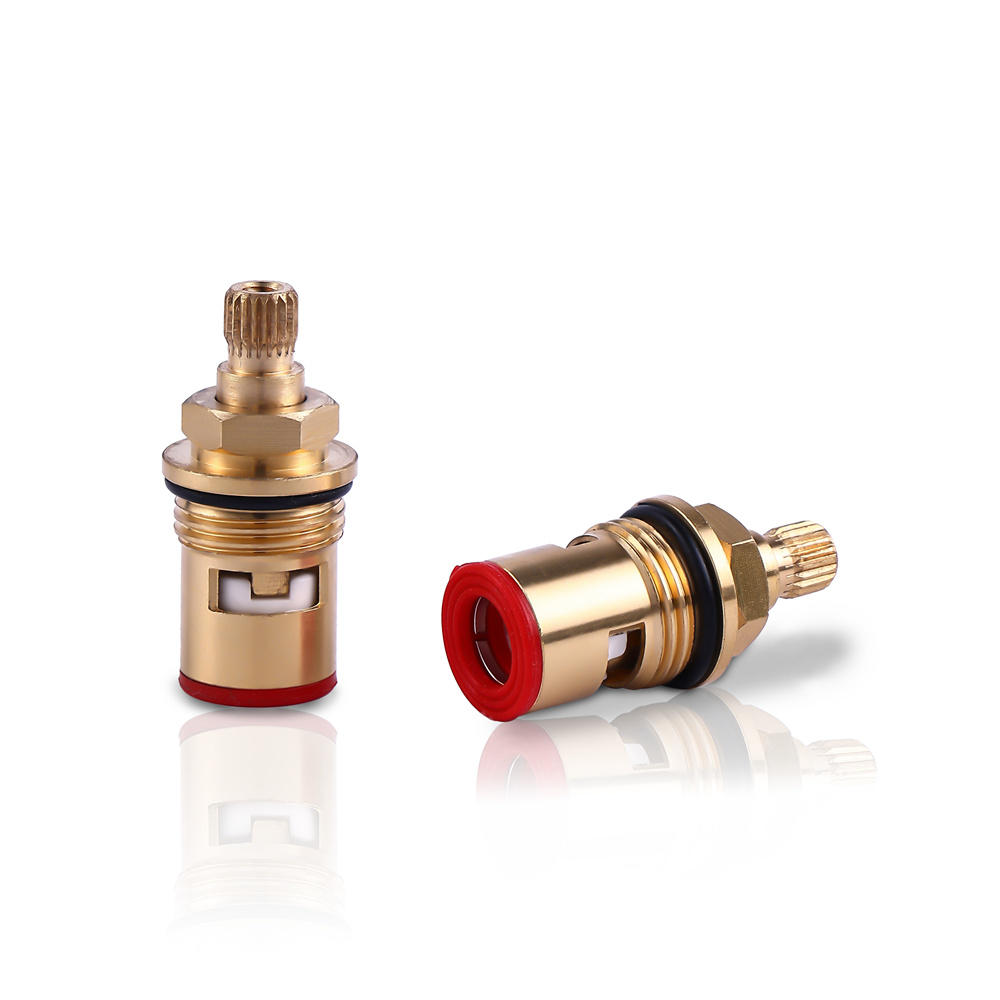
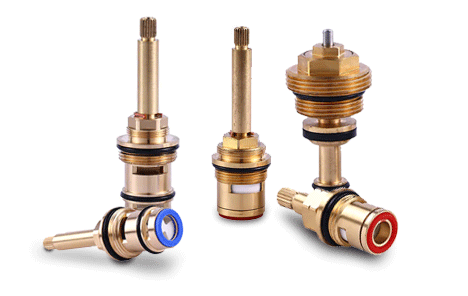
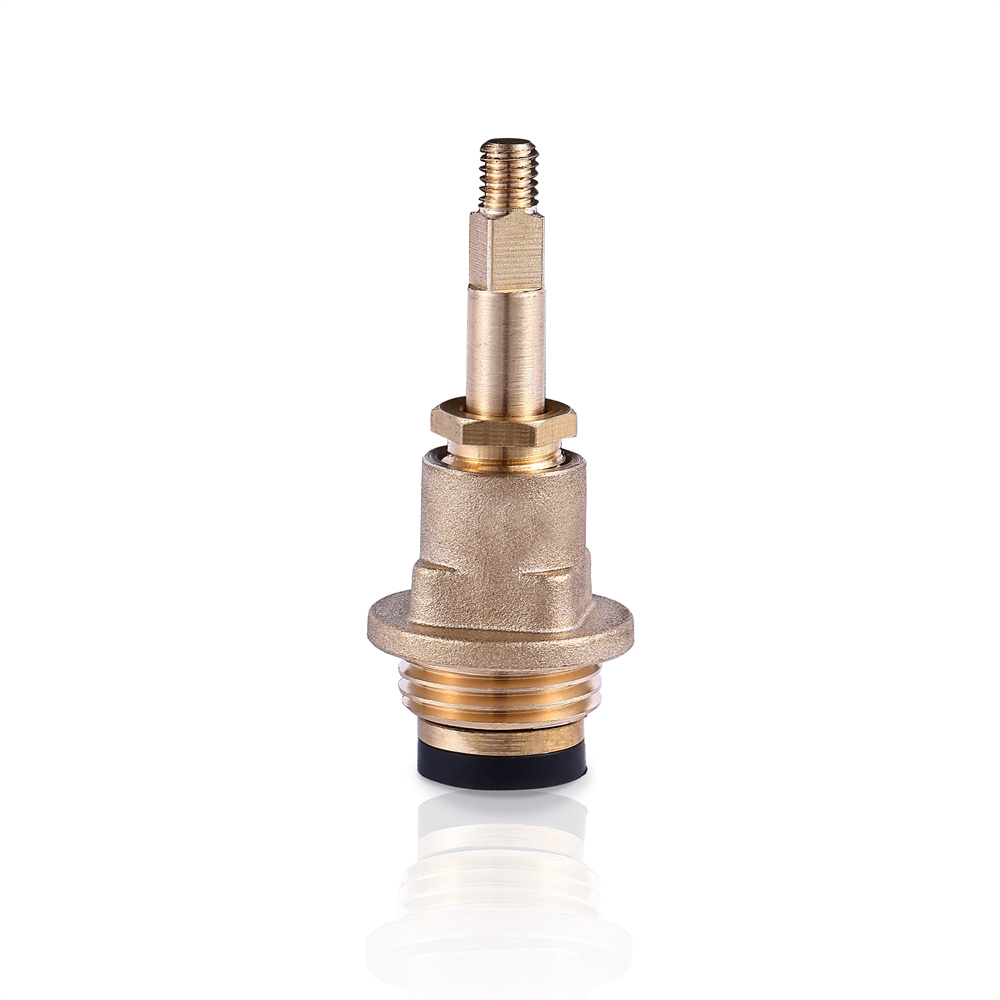
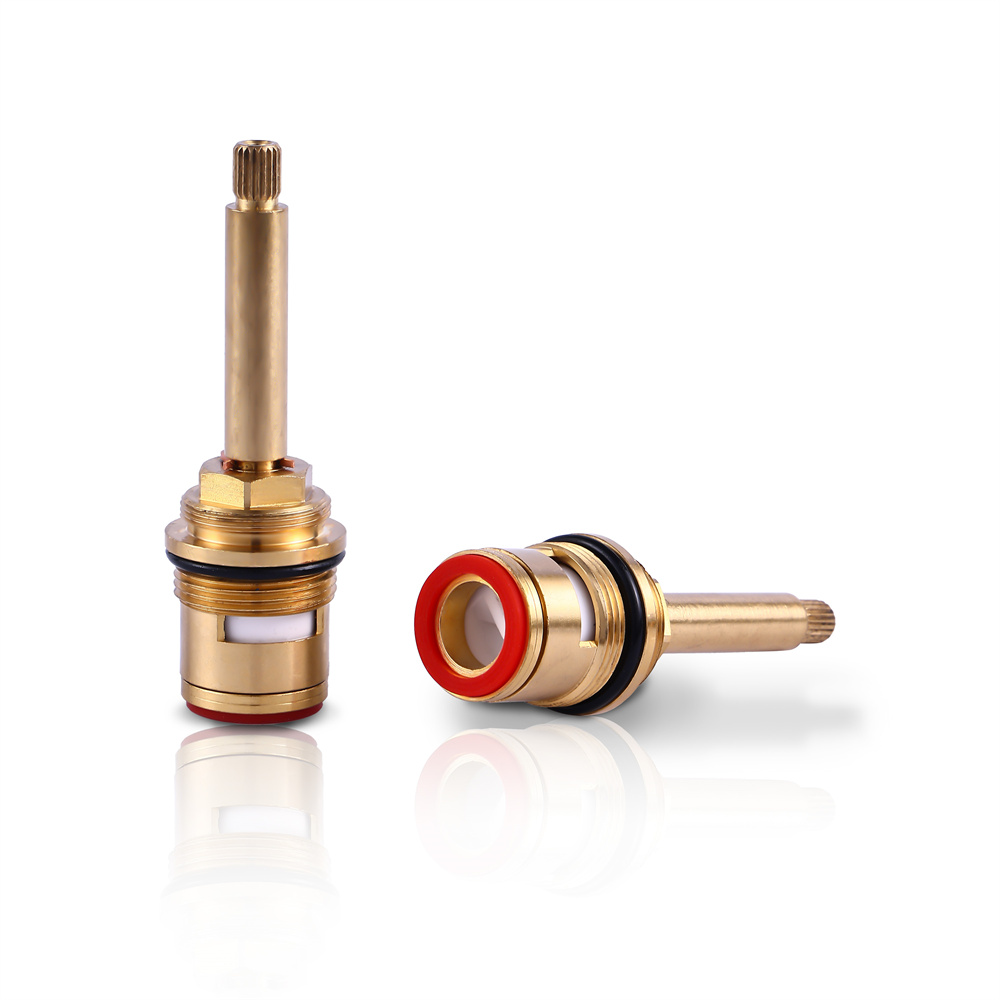
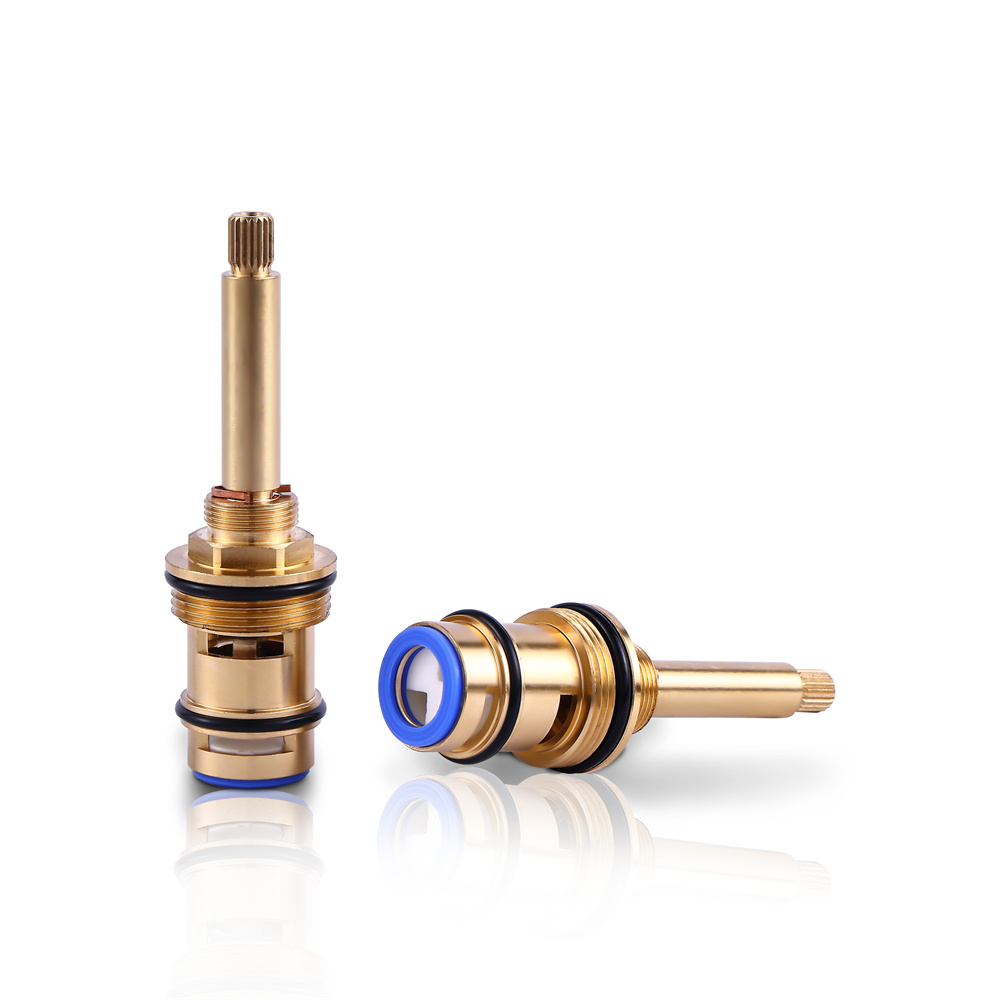
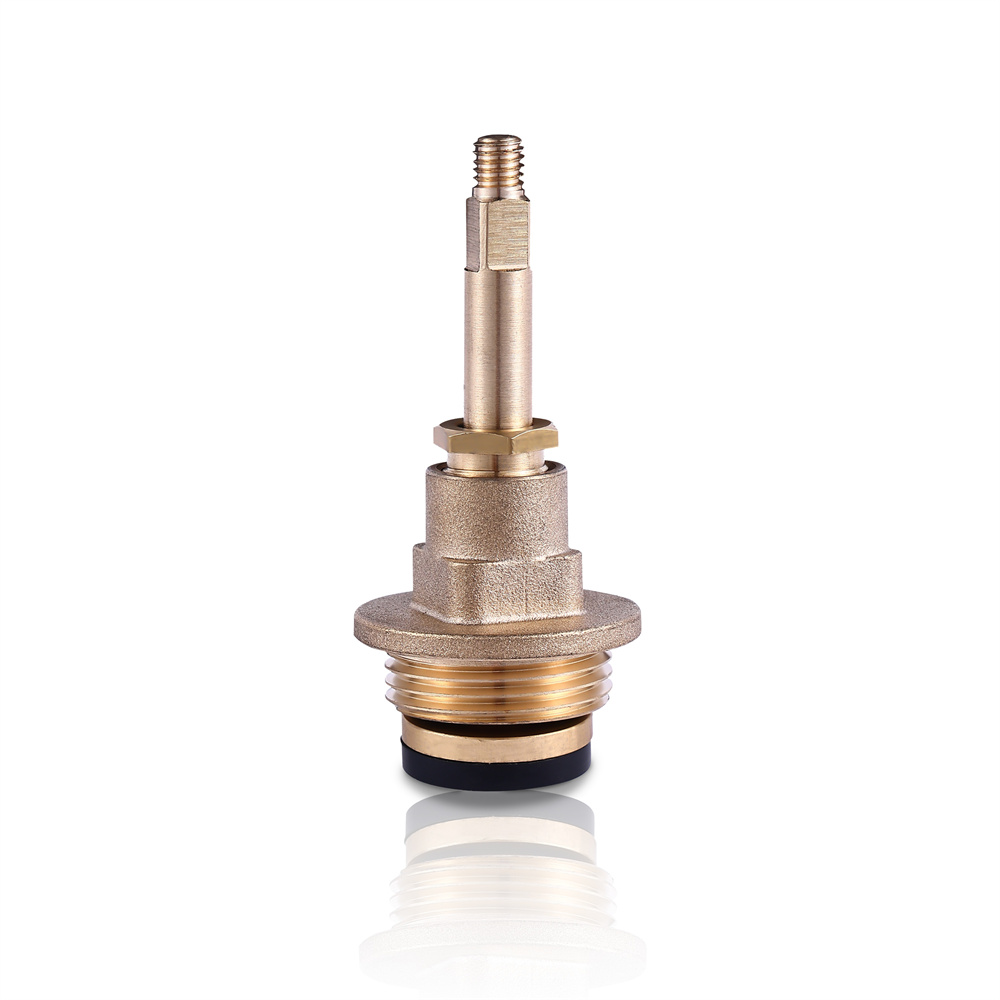
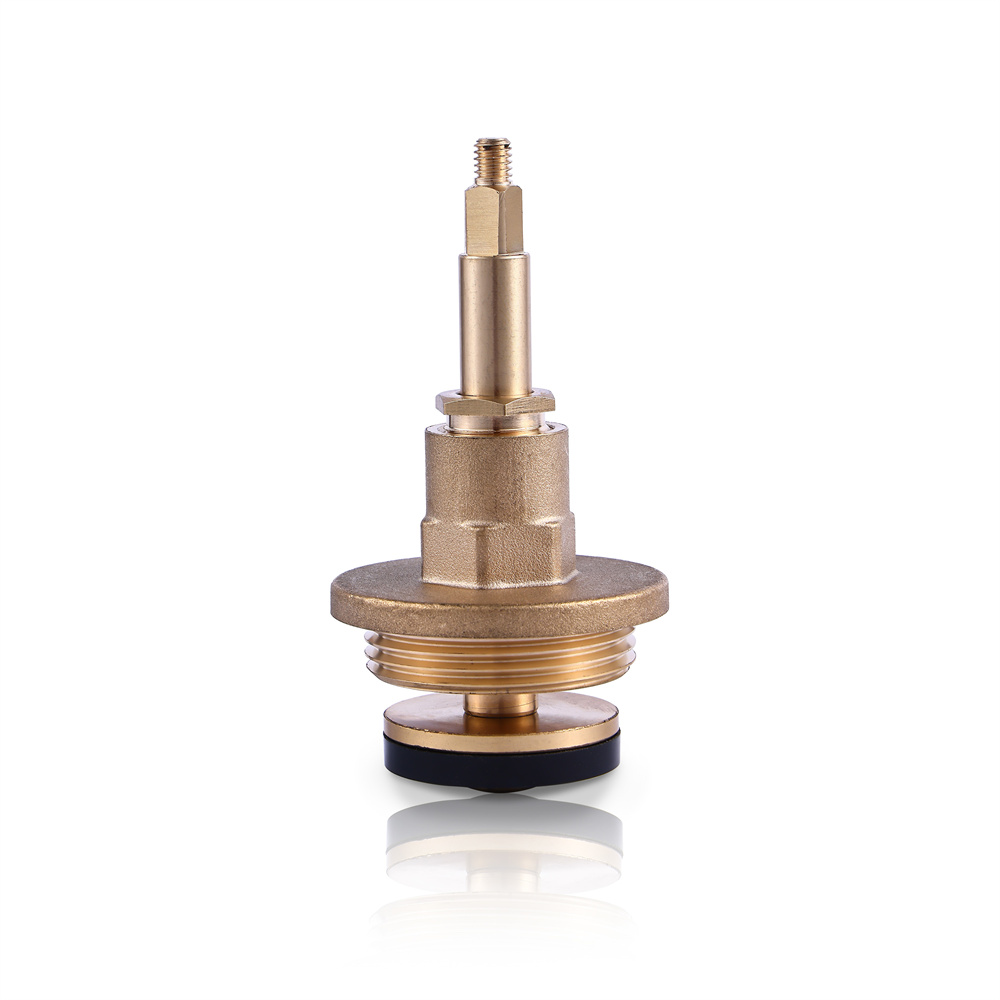
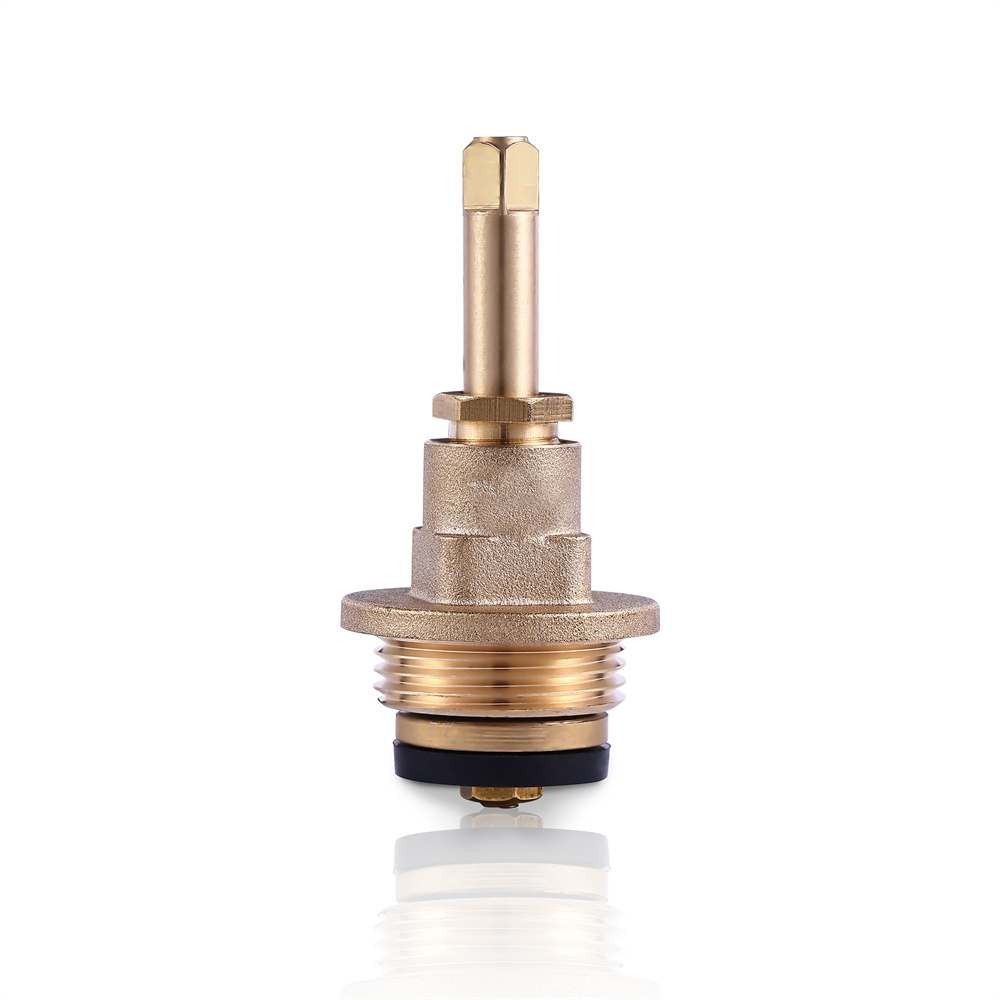
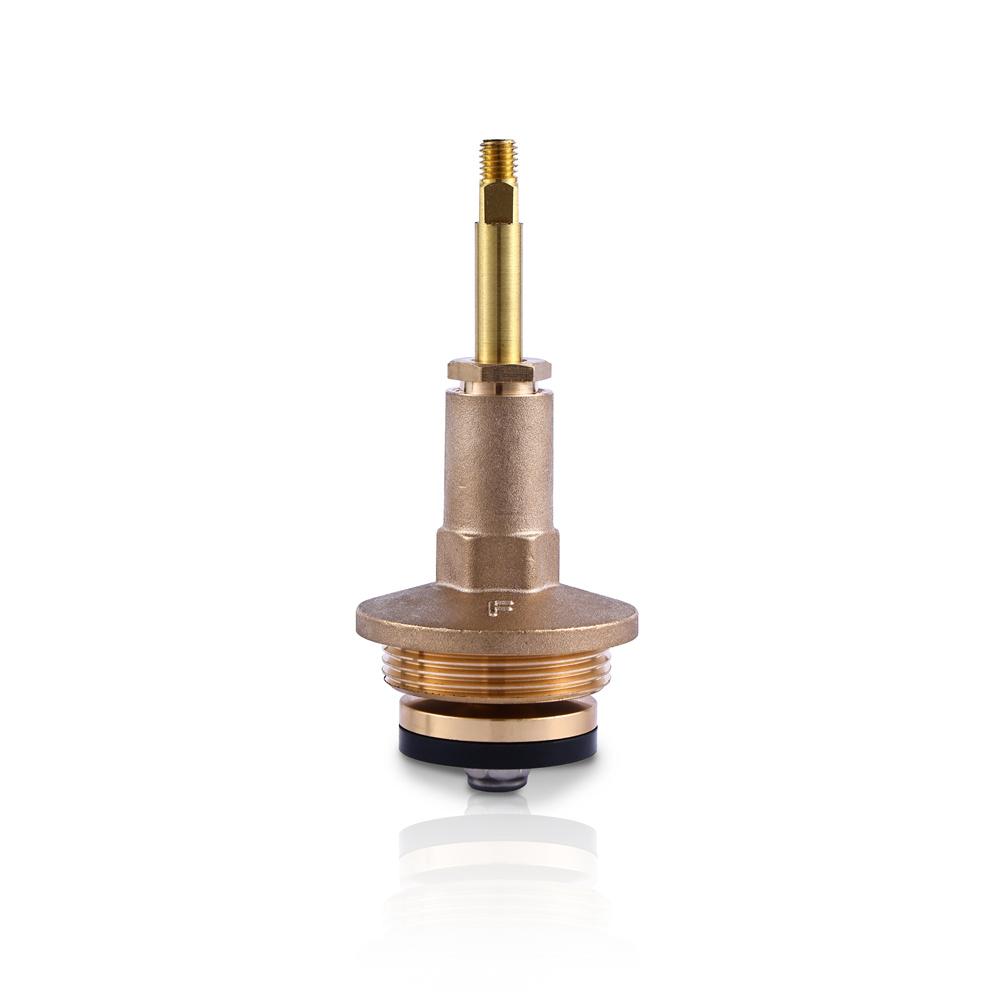
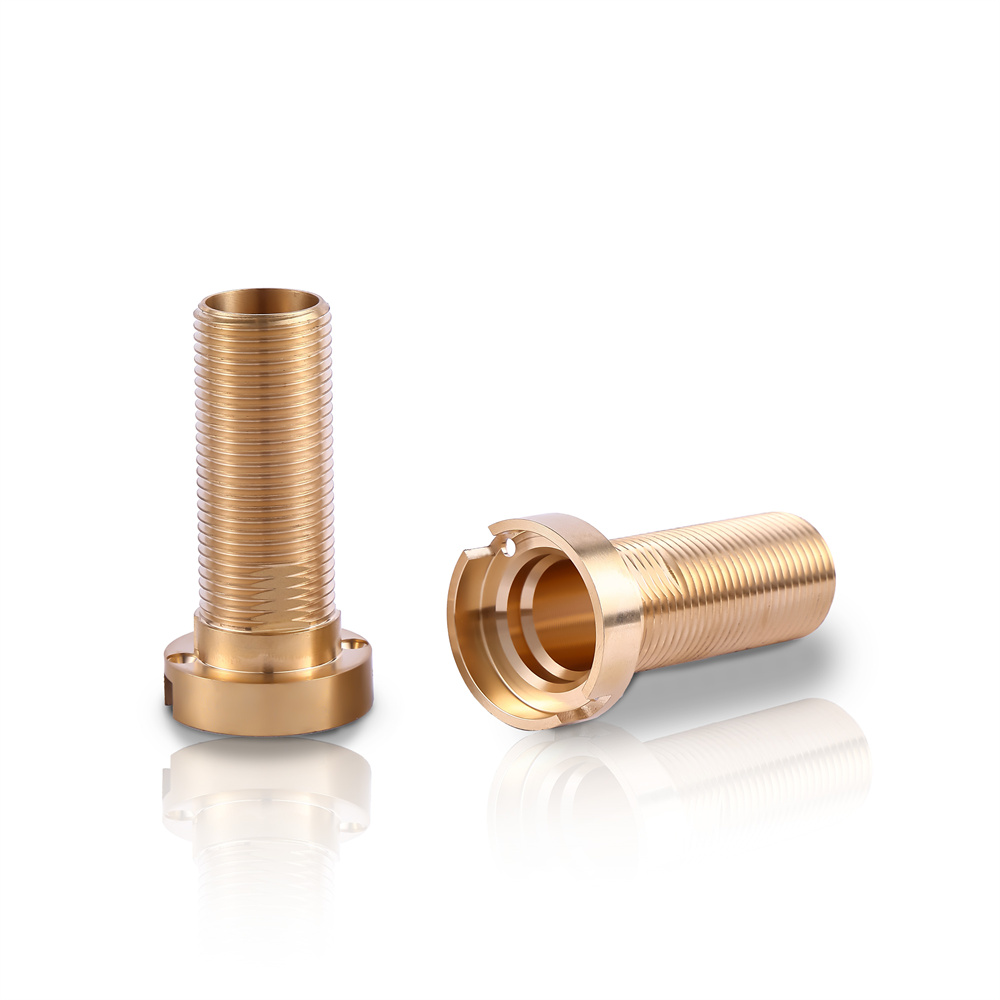
    Understanding the Structure and Function of a Valve Core The valve core is a critical component in any faucet, responsible for regulating water flow and mixing hot and cold streams. A Copper Faucet Valve Core, prized for its durability and corrosion resistance, is commonly used in both residential and commercial faucets. However, users and installers often wonder whether this type of valve core can be reliably used with faucet bodies made from materials other than copper, such as stainless steel, brass, or plastic. Copper’s Neutral Behavior in Mixed-Material Systems Copper is generally considered a stable and compatible material when paired with other metals or synthetic materials in plumbing systems. It does not readily corrode when in contact with stainless steel, brass, or bronze under normal water conditions. Many faucets are already composed of multiple materials, with internal parts made of copper or brass and outer casings of stainless steel or zinc alloy. In this context, using a valve core made from copper within a non-copper faucet body is not only possible but also very common. Thread Compatibility and Mechanical Fit The key to ensuring compatibility between a valve core and a faucet body lies in the threading, dimensions, and seating design, rather than the material alone. A Copper Faucet Valve Core must match the thread size and internal architecture of the faucet body. Manufacturers typically follow standard specifications for valve sizes (e.g., 1/2", 3/8"), which helps ensure interchangeability across different faucet models and materials. However, if the faucet is from a proprietary brand or features a unique design, it may require a matching valve core made specifically for that product line. In such cases, even a copper valve core of high quality may not be suitable unless it is designed for that exact fit. Galvanic Corrosion: A Minor Consideration When two dissimilar metals are in contact in the presence of water, galvanic corrosion can occur—one metal becomes sacrificial and corrodes faster. However, in modern plumbing installations, this risk is negligible, especially when the materials involved are relatively close in the galvanic series, such as copper and brass or copper and stainless steel. Faucet systems also operate under intermittent, low-pressure conditions, making them far less prone to accelerated corrosion than, for example, industrial piping. For added safety, manufacturers often use dielectric unions or rubber seals to prevent direct metal-to-metal contact, further reducing the possibility of galvanic reaction. Therefore, using a copper valve core with a faucet body made from a different metal is generally considered safe under typical domestic or commercial water conditions. Thermal Expansion and Tolerance Matching Different materials expand and contract at different rates when exposed to heat. While this is a consideration in some mechanical assemblies, it poses minimal concern in the context of faucet valve cores. Copper has good thermal stability and is commonly used in hot water applications. As long as the valve core is precision-engineered and installed according to the manufacturer's specifications, differential expansion between it and the faucet body should not compromise function or durability. Conclusion A Copper Faucet Valve Core is compatible with faucet bodies made from a wide variety of materials, including stainless steel, brass, and durable plastics, provided the size, threading, and design match properly. Modern manufacturing standards and corrosion prevention practices make mixed-material usage both safe and effective. As a result, copper valve cores remain a trusted choice across diverse faucet constructions, combining mechanical reliability with broad compatibility.

  • 11 Jul’ 2025
    Investigating Whether the Use of a Copper Faucet Valve Core Has a Noticeable Impact on Water Flow Rate

    Understanding the Role of the Valve Core in Water Flow Control At the heart of every faucet lies the valve core, a key component responsible for regulating water flow and temperature. The Copper Faucet Valve Core is one of the durable and commonly used types, often found in both residential and commercial plumbing systems. While its primary function is to open, close, and mix water, many users wonder whether the material or design of the core affects the water flow rate. Material vs. Design: What Affects Flow Rate? When assessing whether a valve core affects water flow, it’s important to distinguish between material and design. Copper, as a material, does not inherently restrict flow. It offers a smooth and corrosion-resistant internal surface that promotes steady water movement. Therefore, the presence of copper itself does not reduce flow volume. However, the design and condition of the valve core can have a significant effect. Narrow internal channels, poorly machined openings, or buildup of scale over time can all impede water flow. If the copper valve core is precisely engineered with standard port sizes and is properly maintained, its effect on flow is negligible and likely unnoticeable in everyday use. Flow Rate Standards and Valve Core Compatibility Most faucet valve cores—regardless of material—are designed to meet flow rate standards set by regulatory agencies. In many countries, bathroom faucets are required to have flow rates of 1.5 gallons per minute (GPM) or less, while kitchen faucets typically allow up to 2.2 GPM. A high-quality valve core made from copper will be manufactured to support these rates when paired with compatible faucet bodies and aerators. Problems only arise when an incompatible valve core is installed in a faucet with mismatched dimensions or design tolerances. In such cases, flow restriction may occur due to misalignment or undersized water channels within the valve. Impact of Wear and Deposits on Flow Over time, mineral deposits such as calcium or magnesium from hard water can accumulate inside any valve core. Although copper is naturally resistant to corrosion, it is not immune to scale buildup. If these deposits form within the valve’s internal channels, they can gradually restrict water flow. Regular cleaning or replacement of the valve core can restore normal flow. Additionally, if the rubber or silicone seals within the copper valve core become worn or misaligned, they may partially obstruct the flow path. This isn’t due to the copper itself, but to aging components within the valve assembly. User Perception vs. Actual Flow Changes In some cases, users might perceive reduced water pressure when switching to a new faucet with a copper core. However, this is often due to integrated aerators, flow limiters, or system-wide issues such as clogged pipes or low municipal water pressure. The valve core plays a secondary role compared to these factors unless it is defective or heavily scaled. Conclusion A well-designed and properly installed Copper Faucet Valve Core does not inherently reduce water flow. While the valve core is essential in directing and controlling water, the actual flow rate is more influenced by its internal design, condition, and compatibility with the overall faucet system. As long as the valve core is clean, undamaged, and matched to the faucet specifications, it should provide smooth and consistent water delivery without noticeable flow reduction.

  • 04 Jul’ 2025
    Evaluating the Risk of Cracking in Copper Faucet Valve Cores Under Low Temperature Conditions

    Understanding the Nature of Copper in Plumbing Applications Copper is a widely used material in plumbing due to its good corrosion resistance, durability, and workability. The Copper Faucet Valve Core, often found inside taps and mixers, plays a vital role in controlling water flow and ensuring leak-proof operation. While copper offers many mechanical and chemical advantages, questions sometimes arise about how it performs in bad weather conditions, particularly in cold climates. Thermal Expansion and Contraction Behavior of Copper Like metals, copper expands and contracts with temperature changes. However, it does so in a predictable and relatively moderate manner. Its thermal expansion coefficient is well within tolerable limits for typical plumbing applications. When exposed to cold conditions, copper contracts, but not to the point of becoming brittle or prone to spontaneous cracking under normal circumstances. Copper maintains its ductility even at sub-zero temperatures. This means it can flex slightly without breaking—unlike some plastics or ceramics, which can become brittle and crack when frozen. Therefore, from a material science perspective, copper itself is not inherently prone to cracking in low temperatures. When Does Cracking Occur? Contributing Factors Beyond Material Although the copper material itself is resilient, a Copper Faucet Valve Core can still crack under certain conditions, and these are often indirect results of freezing temperatures. The common cause is the expansion of water when it freezes. Water trapped inside the faucet or valve body can expand by approximately 9% upon freezing. If there is no room for this expansion, the resulting pressure may cause the valve housing—or in some cases, the core itself—to crack or deform. Design limitations, improper insulation, or water remaining in inactive faucets during winter months are all key risk factors. It's not that the copper fails due to temperature alone, but rather due to the force exerted by ice forming in enclosed spaces. The risk increases in outdoor or poorly insulated installations where freezing is more likely. Preventive Measures for Cold-Weather Durability To reduce the risk of cracking in cold environments, several preventive strategies are recommended. Homeowners and installers should ensure that exposed faucets are properly winterized. This includes draining water from the lines, turning off outdoor water supplies, and using insulated faucet covers. Second, selecting faucet designs that allow for pressure relief or are rated for frost-resistance can also reduce potential damage. Some high-end Copper Faucet Valve Core assemblies are engineered with enhanced sealing and drainage features to reduce the likelihood of water entrapment. Additionally, for installations in cold regions, it may be beneficial to install shut-off valves indoors and keep pipes within insulated walls whenever possible. Comparative Performance With Other Materials Compared to other valve core materials like plastic, ceramic, or zinc alloys, copper performs favorably in cold weather. Plastics may become brittle, and ceramics—while hard and durable—are more susceptible to cracking due to their rigidity. Copper’s flexibility and ability to withstand thermal cycling without fatigue make it a preferred choice in many climates, including those with freezing winters. Conclusion While copper as a material is not easily cracked by cold temperatures, a Copper Faucet Valve Core can still be vulnerable if water inside the valve freezes and expands. The issue is not copper’s inherent weakness but rather the physical pressure exerted by ice formation in confined spaces. With proper installation practices and winterization measures, the risk of cracking in low temperatures is minimal, and copper remains one of the reliable valve core materials for long-term plumbing performance, even in challenging climates.

  • 25 Jun’ 2025
    Exploring Whether Ceramic Valve Cores Undergo Special Wear-Resistant Treatments to Enhance Durability

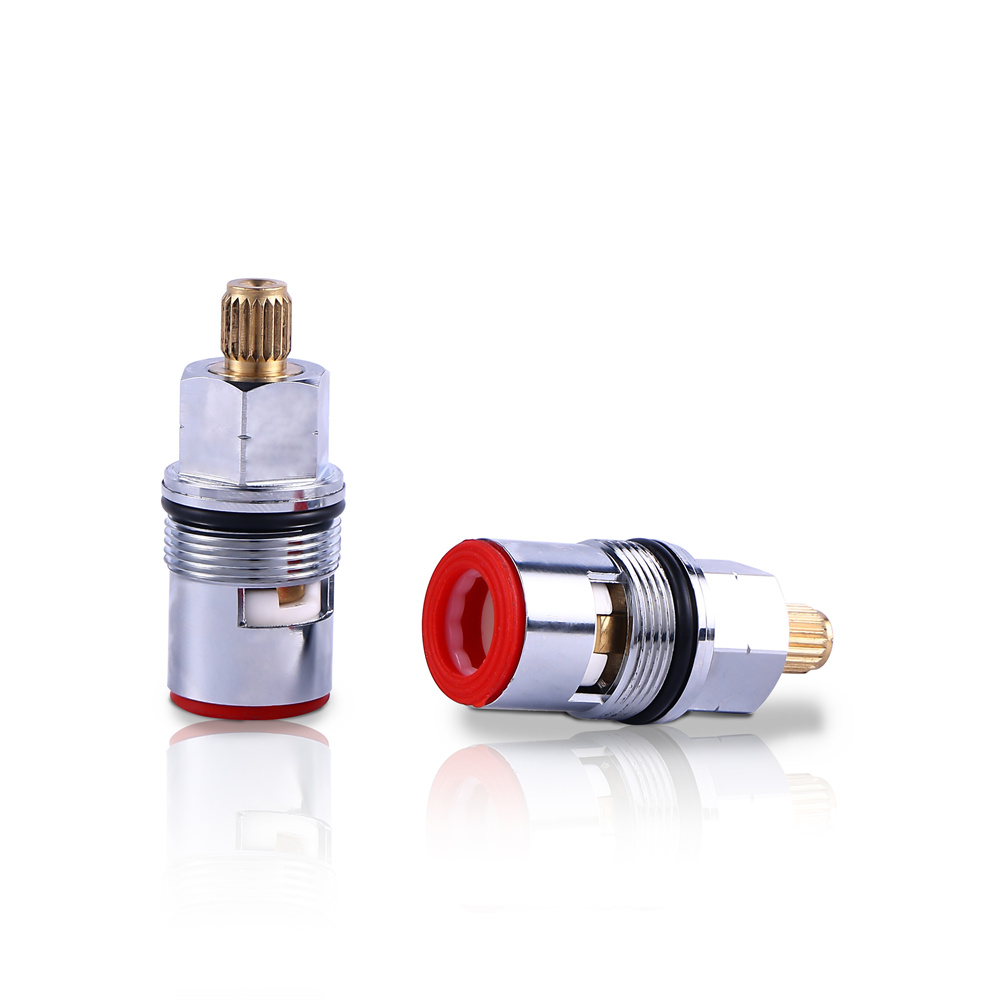
    Understanding the Durability Demands of Valve Cores Valve cores are critical components in many fluid control systems, where they must withstand repeated mechanical action, friction, and exposure to various chemicals. Durability is essential to ensure long service life, prevent leaks, and reduce maintenance costs. The Ceramic Valve Core is widely recognized for its natural hardness and wear resistance, but questions remain about whether it receives additional wear-resistant treatments to further boost its durability. Intrinsic Wear Resistance of Ceramic Materials Ceramics are inherently hard and resistant to abrasion compared to metals and elastomers commonly used in valve cores. This intrinsic property means that even without extra treatments, a Ceramic Valve Core can perform well under demanding conditions. The hardness of ceramics helps prevent surface wear, scratches, and erosion caused by fluid flow and particulate matter, making ceramic cores suitable for harsh environments. Precision Manufacturing to Enhance Surface Integrity Although ceramic materials offer good wear resistance naturally, the manufacturing process plays a vital role in optimizing durability. Ceramic Valve Cores undergo precise grinding and polishing to achieve ultra-smooth and flat surfaces. This finishing reduces micro-cracks and surface roughness that can initiate wear or mechanical failure. A polished surface also decreases friction between the valve core and seat, further minimizing wear during operation. Advanced Ceramic Composites and Material Engineering Some manufacturers improve the toughness and durability of Ceramic Valve Cores by using engineered ceramic composites or doping additives. These advanced materials enhance resistance to chipping, cracking, and mechanical stress while maintaining hardness. By improving the ceramic’s fracture toughness, these material innovations effectively extend the valve core’s lifespan without the need for additional coatings. Special Wear-Resistant Coatings and Surface Treatments While less common, certain Ceramic Valve Cores may receive specialized surface treatments designed to further enhance wear resistance and corrosion protection. Thin-film coatings, such as diamond-like carbon (DLC) or ceramic glazes, can be applied to reduce friction, resist chemical attack, and shield against abrasive particles. These coatings act as a protective barrier, helping maintain the core’s integrity over time. However, applying coatings requires careful control to avoid compromising the precise tolerances necessary for effective sealing. Benefits of Wear-Resistant Treatments on Durability When wear-resistant treatments or coatings are applied, the Ceramic Valve Core benefits from increased resistance to mechanical and chemical degradation. This results in less frequent replacements, reduced maintenance downtime, and consistent sealing performance. These benefits are particularly valuable in industrial applications involving aggressive fluids, high cycle rates, or abrasive contaminants. Potential Trade-Offs and Considerations Despite their advantages, special wear-resistant treatments can introduce additional manufacturing complexity and costs. There is also a risk that coatings may alter surface properties, potentially affecting sealing tightness if not properly engineered. Therefore, manufacturers balance the benefits of wear-resistant enhancements with the need to maintain critical valve performance parameters. Conclusion: Durability of Ceramic Valve Core Enhanced by Material and Manufacturing In conclusion, the durability of tit primarily relies on the inherent hardness and wear resistance of ceramic materials, supported by precision grinding and polishing during manufacturing. While some Ceramic Valve Cores may undergo special wear-resistant coatings or use advanced ceramic composites to further improve toughness and longevity, these treatments serve to complement rather than replace ceramic’s natural properties. For demanding applications requiring reliable, long-lasting valve components, ite offers a robust solution whose durability is continually enhanced through material science and engineering innovations.

  • 20 Jun’ 2025
    Evaluating the Tendency of Ceramic Valve Core to Scale Formation in Hard Water Environments

    Introduction to Hard Water Challenges Hard water, characterized by high concentrations of calcium, magnesium, and other minerals, poses significant challenges in plumbing and fluid control systems. One common issue is scale formation, where mineral deposits accumulate on surfaces, causing reduced flow, impaired sealing, and potential equipment failure. Understanding whether the Ceramic Valve Core is prone to scaling in hard water environments is essential for ensuring reliable and long-lasting valve performance. Material Characteristics of Ceramic Valve Core Relevant to Scaling Ceramic materials used in valve cores are typically dense, smooth, and chemically inert. These properties make ceramic surfaces less reactive and less likely to promote adhesion of mineral deposits compared to rougher or porous materials. The high surface hardness and smooth finish of it reduce the number of nucleation sites where scale crystals can initiate and grow. Mechanism of Scale Formation on Valve Surfaces Scaling occurs when dissolved minerals in hard water precipitate and adhere to surfaces exposed to water flow. Factors influencing scale deposition include water temperature, flow velocity, surface roughness, and material chemistry. Valve cores with irregular or porous surfaces tend to trap minerals more easily, accelerating scale buildup. In contrast, smooth and non-porous surfaces, like those of ceramic, hinder mineral attachment and make scale removal easier during routine maintenance. Performance of Ceramic Valve Core in Hard Water Conditions Field observations and laboratory tests indicate that it exhibits good resistance to scale accumulation compared to metal or rubber components. The smooth ceramic surface discourages mineral adhesion, maintaining consistent sealing performance and flow characteristics over time. Additionally, ceramics’ chemical inertness prevents reactions that could promote localized scaling or corrosion under hard water conditions. Impact of Scale Formation on Sealing and Valve Operation Scale buildup can impair valve sealing by creating gaps or preventing tight closure, causing leaks and operational inefficiency. Since Ceramic Valve Core is less prone to scaling, it helps preserve reliable sealing and reduces the frequency of maintenance interventions. This advantage is particularly important in regions with very hard water or in industrial applications where water treatment may be limited. Maintenance and Cleaning Considerations Even though Ceramic Valve Core resists scale formation, regular maintenance is recommended to prevent any minor deposits from affecting performance. Ceramic surfaces are easier to clean due to their hardness and smoothness, allowing scale to be removed without damaging the valve core. This contrasts with softer materials that may be scratched or worn during cleaning, potentially worsening sealing issues. Limitations and Practical Advice While the Ceramic Valve Core reduces scale-related problems, it does not eliminate the risk in extremely hard water or high-temperature applications where scaling is aggressive. Complementary measures such as water softening, filtration, or chemical inhibitors may still be necessary to ensure suitable valve performance and longevity. Conclusion: Ceramic Valve Core Offers Strong Resistance to Hard Water Scaling In summary, the Ceramic Valve Core’s material properties provide good resistance to scale formation in hard water environments. Its smooth, dense, and chemically inert surface discourages mineral adhesion, maintaining sealing integrity and reducing maintenance needs. For applications exposed to hard water, choosing it can significantly enhance valve reliability and lifespan while mitigating common scaling challenges.

  • 13 Jun’ 2025
    Sealing Advantages of Ceramic Valve Core Compared to Traditional Rubber Valve Cores

    Understanding the Importance of Sealing Performance Sealing performance is a fundamental factor when selecting valve cores for plumbing, industrial pipelines, and fluid control systems. Effective sealing prevents leaks, maintains system pressure, and ensures operational safety and efficiency. Among various valve core materials, the Ceramic Valve Core and rubber valve cores are commonly used. This article explores the key advantages of it in sealing performance compared to traditional rubber valve cores. Material Properties and Their Impact on Sealing Ceramic materials possess exceptional hardness, wear resistance, and dimensional stability. These properties allow a Ceramic Valve Core to maintain its precise shape and smooth surface over time. In contrast, rubber valve cores rely on elasticity and flexibility to form seals, which tend to degrade through compression set, aging, and exposure to chemicals or temperature changes. This degradation often causes leaks and reduced sealing effectiveness in rubber valve cores. Precision Machining and Surface Finish A critical advantage of Ceramic Valve Core lies in its manufacturing process. Ceramic components are ground and polished to achieve extremely flat and smooth surfaces that fit tightly against the valve seat. This precise fit creates an almost good seal, reducing leakage even under high pressure or frequent operation. Rubber valve cores, while initially flexible and capable of conforming to imperfect surfaces, may develop surface irregularities or lose elasticity, weakening the seal over time. Durability and Longevity in Sealing The durable nature of ceramics makes Ceramic Valve Cores more resistant to wear, scratches, and erosion caused by flowing fluids and particulate matter. This longevity ensures consistent sealing performance throughout their service life. Rubber valve cores, conversely, are prone to cracking, tearing, and permanent deformation, especially in harsh environments, reducing their lifespan and requiring more frequent replacement or maintenance. Resistance to Temperature and Chemical Exposure Ceramic Valve Cores exhibit good resistance to a wide range of temperatures without softening or losing sealing capability. They also resist chemical corrosion, which helps maintain integrity in aggressive or contaminated fluids. Rubber valve cores may soften, swell, or become brittle when exposed to bad temperatures or certain chemicals, compromising their sealing function and potentially causing leaks or system failures. Environmental and Operational Benefits By reducing leak risks, Ceramic Valve Cores contribute to water conservation and energy savings in fluid systems. Their stable sealing also enhances safety by preventing unintended fluid release. Although ceramics are generally more brittle than rubber, advances in design and manufacturing have improved their toughness and reliability. The result is a valve core that balances hardness and resilience to provide Cost Considerations and Application Suitability While Ceramic Valve Cores often come with a higher initial cost compared to rubber cores, their extended service life and reduced maintenance requirements can cause a lower total cost of ownership. They are particularly advantageous in demanding environments where reliability and leak prevention are critical. Rubber valve cores may still be preferred in low-cost or less critical applications where flexibility and ease of installation are priorities. Conclusion: Clear Sealing Advantages of Ceramic Valve Core Overall, it outperforms traditional rubber valve cores in sealing performance due to its hardness, precision, durability, and resistance to temperature and chemical degradation. These advantages make it a good choice for applications requiring long-lasting, leak-free operation. For industries seeking improved reliability and reduced maintenance, investing in Ceramic Valve Core technology offers significant sealing benefits that justify its cost.

  • 06 Jun’ 2025
    Evaluating the Suitability of Ceramic Valve Core for High-Temperature Pressure Pipeline Systems

    Understanding the Demands of High-Temperature and High-Pressure Environments Pipeline systems operating under high temperatures and pressures face significant challenges in maintaining reliable sealing and mechanical integrity. Components used in these systems must withstand thermal expansion, intense pressure fluctuations, and potential chemical corrosion. Selecting valve cores that can endure such harsh conditions is critical to ensuring the safety, efficiency, and longevity of the entire pipeline infrastructure. Material Advantages of Ceramic Valve Core The Ceramic Valve Core is widely recognized for its hardness, wear resistance, and chemical inertness. Ceramics typically exhibit good thermal stability and can endure temperature extremes that often degrade other materials like rubber or plastic. This makes ceramic a promising candidate for valves used in high-temperature pipelines. The inherent material properties allow the Ceramic Valve Core to maintain shape and function without softening or deforming under heat stress. Performance Under High Pressure High-pressure pipeline systems demand valve cores that provide reliable sealing without leaking or failing under stress. Ceramic Valve Cores feature smooth, precisely machined surfaces that create tight seals with valve seats, reducing leakage risks. Their rigid structure resists deformation under pressure, unlike more flexible materials that may compress or lose sealing integrity. This mechanical strength makes ceramic cores particularly suitable for maintaining secure seals in pressurized environments. Thermal Expansion and Compatibility Considerations Despite its advantages, ceramic’s rigidity and brittleness pose unique design considerations, especially regarding thermal expansion. In pipeline systems where temperature changes are frequent or extreme, differences in expansion rates between ceramic components and surrounding metal parts can induce stress. Proper engineering design, including suitable allowances and cushioning materials, is necessary to prevent cracking or damage to the Ceramic Valve Core under thermal cycling. Chemical Resistance and Durability In addition to thermal and pressure demands, pipeline valves often encounter corrosive fluids. Ceramic materials exhibit good resistance to chemical attack, protecting the valve core from degradation. This chemical inertness extends the service life of Ceramic Valve Cores, reducing maintenance frequency. Combined with their wear resistance, these features make ceramic valves a durable choices for demanding industrial applications. Limitations and Practical Challenges While Ceramic Valve Cores offer many advantages, their brittleness compared to metals and elastomers means they require careful handling and installation. Sudden impacts or improper mounting can cause fractures. Moreover, ceramics tend to be more costly and complex to manufacture. These factors may limit their use in some applications or increase upfront investment costs. Comparing Alternatives for High-Temperature and High-Pressure Use Alternatives such as metal valve cores with special coatings or elastomeric seals designed for bad conditions remain popular choices. Metals provide toughness and resilience, while advanced elastomers can tolerate certain temperature and pressure ranges with flexibility. However, these alternatives may have shorter lifespans or require more frequent maintenance compared to ceramic options. Conclusion: Ceramic Valve Core as a Strong Candidate with Engineering Considerations Ceramic Valve Cores are well-suited for high-temperature and high-pressure pipeline systems thanks to their thermal stability, mechanical strength, and chemical resistance. When integrated with thoughtful design to manage brittleness and thermal expansion, they provide reliable, long-lasting sealing solutions. For industries prioritizing durability and minimal maintenance under harsh conditions, investing in Ceramic Valve Core technology offers clear benefits, making it a strong contender among valve core materials.

  • 26 May’ 2025
    The Role of Surface Treatments in Enhancing Ceramic Valve Core Sealing Efficiency

    Ceramic valve core is widely recognized for its good durability and resistance to corrosion in various industrial applications. These components are crucial for precise fluid control and maintaining the integrity of sealing systems. Material Characteristics Ceramic valve cores are made from advanced ceramic materials known for their hardness and chemical inertness. These properties make them ideal for applications where high pressures and temperatures are encountered, as well as in aggressive fluid environments. The natural sealing ability of these cores is derived from their material properties, but additional treatments may be considered to optimize performance. The Necessity of Polishing Polishing is a process that can smooth the surface of ceramic valve cores, reducing roughness and ensuring a more uniform finish. This can be particularly beneficial in applications where the valve core is in constant contact with the seat, as a smoother surface can cause a more consistent and reliable seal. However, the necessity of polishing depends on the specific application and the initial quality of the ceramic material. High-quality ceramic valve cores may not require additional polishing if they meet the surface finish requirements out of the manufacturing process. Coating Applications for Sealing Coatings can be applied to ceramic valve cores to enhance their sealing properties. These coatings can be made from materials that have good sealing characteristics, such as PTFE (Teflon), which is known for its low friction and good chemical resistance. The application of such coatings can reduce wear, improve sealing, and extend the life of the valve core. However, the choice of coating material and the method of application must be carefully considered to ensure compatibility with the ceramic material and the fluid it will come into contact with. Advantages of Surface Treatments Surface treatments, whether polishing or coating, can offer several advantages for ceramic valve cores. They can reduce the friction between the core and the seat, which can decrease wear and tear over time. Improved sealing can also cause better control of fluid flow, reducing the risk of leaks and ensuring the system operates at good efficiency. Additionally, these treatments can protect the valve core from corrosion and other forms of degradation, prolonging its service life. Challenges and Considerations While there are clear benefits to surface treatments, there are also challenges to consider. The process of polishing or applying coatings must be carefully controlled to avoid damaging the valve core. Moreover, the cost of these treatments must be weighed against the potential benefits. In some cases, the initial cost of high-quality ceramic valve cores may eliminate the need for additional treatments, as they are already designed to perform well in their intended environment. Conclusion The decision to apply special polishing or coating treatments to ceramic valve cores is not one-size-fits-all. It depends on the specific requirements of the application, the quality of the valve core, and the potential benefits these treatments can provide. A thorough assessment of the system's needs and the potential risks and rewards of surface treatments is essential to make an informed decision. Ultimately, the goal is to ensure that the ceramic valve core operates with sealing efficiency, maintains the integrity of the fluid control system, and decreases downtime and maintenance costs.

  • 23 May’ 2025
    Comparative Durability and Wear Resistance of Ceramic Valve Cores Over Rubber Valve Stems

    In the plumbing industry, the choice of valve core materials significantly impacts the long-term performance, durability, and maintenance of water control systems. One of the important innovations in this domain has been the replacement of rubber valve seals with the ceramic valve core. While rubber was long favored for its flexibility and affordability, modern applications increasingly rely on ceramic alternatives due to their good wear resistance. Understanding why ceramic components outperform rubber in this regard requires examining both material science and mechanical performance in real-world usage. Rubber valve seals, commonly used in older faucet and valve designs, operate by compressing against metal seats to control the flow of water. Over time, this compression causes deformation, hardening, cracking, or erosion, especially when exposed to high water pressure, temperature fluctuations, or abrasive particles. These conditions cause rubber to degrade, which in turn results in leaks, poor sealing, and a loss of precision in flow control. Additionally, the frequent opening and closing of valves accelerates this wear, often requiring replacement of rubber components every few years. By contrast, a ceramic valve core uses a pair of finely polished ceramic discs, typically made from high-purity alumina or zirconia ceramics. These materials are exceptionally hard, second only to diamonds on the Mohs hardness scale, and exhibit outstanding resistance to abrasion, corrosion, and thermal shock. The upper disc moves over a stationary lower disc, and together, they create a virtually watertight seal through a close, flat surface interface. When the discs are rotated, they allow water to pass through aligned ports; when they are misaligned, flow is blocked. This sliding mechanism operates without the need for compressive force, eliminating many of the wear issues seen in rubber-based systems. One key advantage of the ceramic disc system is that it reduces surface contact friction. The discs glide smoothly against each other, and their polished surfaces resist scratches and grooving, even when exposed to sediment or hard water. This low-friction interface allows for hundreds of thousands of operation cycles with negligible wear, providing a level of durability that rubber simply cannot match. While rubber wears down and loses shape due to mechanical stress, ceramic discs retain their geometry and sealing integrity over long periods of use. In environments where water contains particulate contaminants, ceramic performs even better. Rubber seals are more susceptible to damage from grit, sand, or calcium deposits, which can cause micro-tears or abrasions. In contrast, the hard, dense surface of ceramic resists these intrusions and continues to provide a smooth, leak-free seal. This property makes ceramic valve systems especially valuable in regions with hard or untreated water supplies. Another important consideration is temperature resistance. Rubber softens or hardens depending on temperature, which affects its sealing capabilities. Prolonged exposure to hot water can accelerate rubber degradation, causing rapid aging or breakdown. Ceramic, on the other hand, maintains stability across a wide range of temperatures without softening, expanding, or contracting. This makes it suitable for both residential and industrial applications where thermal variation is common. Maintenance is another area where ceramic components offer an advantage. Faucets or valves equipped with rubber seals often require periodic servicing or replacement due to seal deterioration. Ceramic systems, however, can remain maintenance-free for many years. This extended operational life not only reduces costs over time but also reduces the inconvenience of faucet failures or leaks in household settings. While ceramic valve cores may have a higher initial cost compared to rubber-based alternatives, their long-term performance, particularly in terms of wear resistance, justifies the investment. The reduced need for repairs, lower risk of leakage, and improved user experience in terms of smooth handle operation make them the preferred choice in modern plumbing systems. In conclusion, the transition from rubber valve seals to ceramic components reflects a broader trend toward reliability, precision, and longevity in water control technologies. The ceramic valve core stands out for its good wear resistance, offering a durable solution that meets the demands of both everyday household use and more demanding industrial conditions. It's over rubber in handling friction, abrasion, and environmental stress ensures it will remain a staple in high-quality faucet and valve designs for years to come.

  • 16 May’ 2025
    Ensuring Precise Water Flow Control with Ceramic Valve Core Technology

    In modern plumbing systems, particularly in household faucets and sanitary fixtures, precise control over water flow and temperature is essential for comfort, safety, and efficiency. A key component responsible for delivering this level of control is the ceramic valve core. While small in size, this device is engineered with good precision to regulate water flow and mixing with good reliability. Its unique design and material properties allow it to outperform traditional valve systems in both performance and durability. The core structure typically consists of two highly polished ceramic discs, each manufactured from extremely hard, wear-resistant materials such as alumina-based ceramics. These discs are crafted with micron-level accuracy, ensuring a tight, flat contact surface that prevents leaks while still allowing smooth motion. One disc remains stationary inside the valve housing, while the other disc is movable and connected to the faucet handle. As the user operates the handle, the movable disc slides and rotates over the stationary disc, changing the alignment of specially designed water channels or ports. This movement enables fine-tuned control of the flow paths for hot and cold water. When the discs are fully aligned, water flows freely through the valve. When slightly misaligned, only a partial flow is allowed. And when they are completely out of alignment, the flow stops entirely. Because of the high level of surface precision between the two ceramic components, even the small handle adjustment translates to a predictable and consistent change in flow rate or temperature. This immediate response gives users accurate control over water output without the lag or inconsistency found in older valve designs. Another aspect contributing to the precision of these devices is the extremely low coefficient of friction between the ceramic surfaces. The discs can slide over one another with minimal resistance, even after tens of thousands of cycles. This ensures that the valve maintains its responsiveness and accuracy over time, without degradation in performance. Unlike rubber washers or ball-type valves, ceramic-based systems do not suffer from swelling, cracking, or deformation caused by temperature changes or exposure to minerals in hard water. This stability further supports consistent and reliable flow regulation. Temperature control is also enhanced through the ceramic disc mechanism. Since the ports are designed to allow variable mixing of hot and cold water streams, the position of the handle directly correlates to the water temperature delivered. This allows users to find and maintain their desired temperature with ease and repeatability. For mixer faucets, a single handle can control both flow and temperature thanks to the design of the valve, making operation more intuitive while still ensuring exact output. In addition to structural precision, the durability of the ceramic material plays a vital role in maintaining long-term accuracy. The valve core resists wear, corrosion, and scaling, which are common causes of failure or imprecision in conventional systems. This longevity is especially important in environments with fluctuating pressure or temperature, as the core continues to operate smoothly without leaks or binding. The minimal maintenance required also means that performance remains consistent for years without adjustment. Ultimately, the ceramic valve core is a product of both material science and mechanical engineering, designed to deliver consistent and accurate control of water flow and temperature. Its precisely machined ceramic components, low-friction movement, and inherent resistance to wear and corrosion all contribute to its high performance. Whether in residential faucets, thermostatic mixers, or commercial plumbing systems, this small but essential part plays a major role in delivering precision and reliability in water delivery.

  • 09 May’ 2025
    Understanding How a Ceramic Valve Core Controls and Mixes Hot and Cold Water

    Modern faucets are expected to deliver not just water, but convenience, safety, and precision. A key component enabling this performance is the ceramic valve core, a small but sophisticated mechanism found in high-quality mixers and taps today. Its primary function is to regulate water flow and temperature, seamlessly blending hot and cold streams into a consistent output. Understanding how this mechanism works offers insight into both its engineering precision and its essential role in daily comfort. The core of this system lies in two precision-engineered ceramic discs. These discs are made from extremely hard and wear-resistant materials, typically alumina-based ceramics. Their surfaces are finely polished to ensure an airtight, watertight seal when mated together. One disc remains stationary within the valve housing, while the other, connected to the faucet handle, rotates and slides over it. Each disc is designed with strategically placed openings or ports that align in various ways as the handle moves. When a user turns or tilts the faucet handle, they are repositioning the movable ceramic disc. This movement changes the overlap between the hot and cold water inlets and the internal pathways inside the valve. If the disc is positioned to align both inlets equally, water from both hot and cold sources enters the mixing chamber in balanced proportions, creating a comfortable warm flow. Tilting the handle more toward one side shifts the opening alignment, increasing the flow from either the hot or cold side and adjusting the temperature accordingly. Because of the smooth, hard surfaces of the ceramic discs, the valve can be operated thousands of times without significant wear or leakage. The tight fit between the discs ensures not only effective mixing but also immediate shut-off when the handle is returned to its closed position. This results in good water control, helping prevent drips and reducing water waste. One of the notable advantages of this design is its simplicity and reliability. Unlike traditional rubber washers or ball valve systems, which degrade over time or are susceptible to sediment buildup, the ceramic discs are highly resistant to wear, temperature extremes, and mineral deposits. This makes them ideal for maintaining consistent performance in a variety of water quality conditions. In dual-handle faucet configurations, each handle typically controls either hot or cold water individually, requiring manual adjustment for the right temperature. In contrast, a mixer tap with a ceramic valve core allows for single-handle operation, where both flow rate and temperature are regulated through one intuitive motion. This not only simplifies user experience but also enhances safety, especially in households with children or elderly users who are sensitive to sudden temperature changes. Additionally, the precision of the mixing mechanism makes ceramic-based systems suitable for water-saving designs and thermostatic controls. Their rapid response and tight control allow integration with modern sensor technologies, such as touchless or smart faucets, that rely on instantaneous shut-off and fine-tuned temperature delivery. In conclusion, the ability of a ceramic valve core to blend hot and cold water efficiently stems from a combination of material strength, precise engineering, and elegant mechanical design. Through the movement of two polished ceramic discs, it provides smooth, leak-proof, and responsive control over water flow and temperature. This simple yet effective mechanism has become a standard in modern plumbing fixtures, valued for its durability, efficiency, and user-friendly performance.

  • 02 May’ 2025
    Comparative Analysis of Copper Faucet Valve Core and Ceramic Valve Core

    Design Custom Copper Faucet Valve Core Producer in China In the realm of plumbing fixtures, the choice between a Copper Faucet Valve Core and a ceramic valve core often arises, prompting a comparison of their distinct characteristics. This article delves into the differences between these two types of valve cores, examining their materials, performance, and longevity to provide a comprehensive understanding of their merits. The Copper Faucet Valve Core, traditionally a preferred choice in faucet construction, is known for its durability and resistance to corrosion. Copper, being a metal, offers strength and the ability to withstand high water pressure without compromising the integrity of the valve. The Copper Faucet Valve Core's metallic nature also allows for a tighter seal, reducing the likelihood of leaks. Moreover, copper's malleability enables the Copper Faucet Valve Core to be shaped into various forms, suitable for different faucet designs. In contrast, ceramic valve cores are made from a material that is both hard and resistant to wear. Ceramics are known for their ability to maintain a smooth, consistent operation over time, which is attributed to their low friction properties. This results in a valve that operates smoothly with each use, providing a long service life. The ceramic material is also less prone to corrosion, making the Copper Faucet Valve Core a suitable choice for environments with hard water or aggressive chemicals. However, the differences between the Copper Faucet Valve Core and the ceramic valve core extend beyond material properties. Copper faucet valve cores are often more expensive due to the cost of copper and the machining process involved in their production. On the other hand, ceramic valve cores are generally more cost-effective, which can be an important factor for budget-conscious consumers. When Copper Faucet Valve Core comes to maintenance, the Copper Faucet Valve Core may require occasional replacement due to wear or damage, especially in environments with fluctuating water temperatures or aggressive water chemistry. Ceramic valve cores, while also subject to wear, tend to have a longer lifespan due to their hardness and resistance to degradation. In terms of environmental impact, Copper Faucet Valve Core has the advantage of being a recyclable material, contributing to its sustainability. Copper can be repurposed without losing its quality, making the Copper Faucet Valve Core an eco-friendly choice. Ceramic valve cores, while also recyclable, may not be as widely accepted in recycling streams due to the challenges in separating and repurposing ceramic materials. Lastly, the aesthetic appeal of the Copper Faucet Valve Core cannot be overlooked. The warm, lustrous appearance of copper adds a touch of elegance to any faucet design. Ceramic valve cores, while available in various colors, do not offer the same level of warmth or richness as copper. In conclusion, the differences between Copper Faucet Valve Core and ceramic valve core are multifaceted, encompassing material properties, cost, maintenance, environmental impact, and aesthetics. While each has its own set of advantages, the choice between the two ultimately depends on the specific needs and preferences of the consumer. Understanding these differences can help homeowners and professionals make informed decisions when selecting faucet valve cores that suit their requirements.