Home / News / Industry News
  • 10 Oct’ 2025
    Performance of Copper Faucet Valve Core in Hard Water Environments

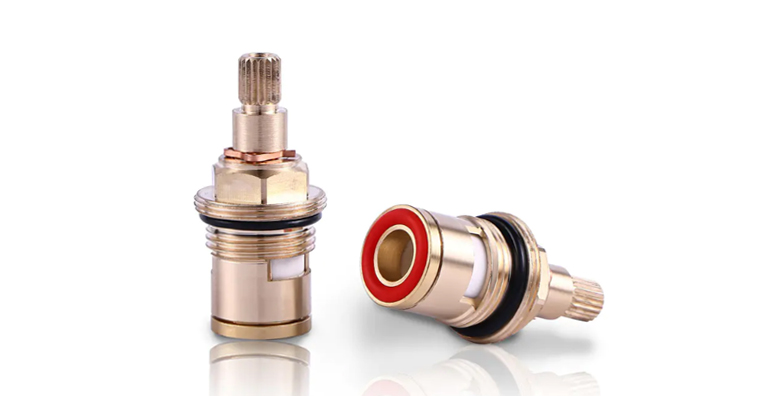
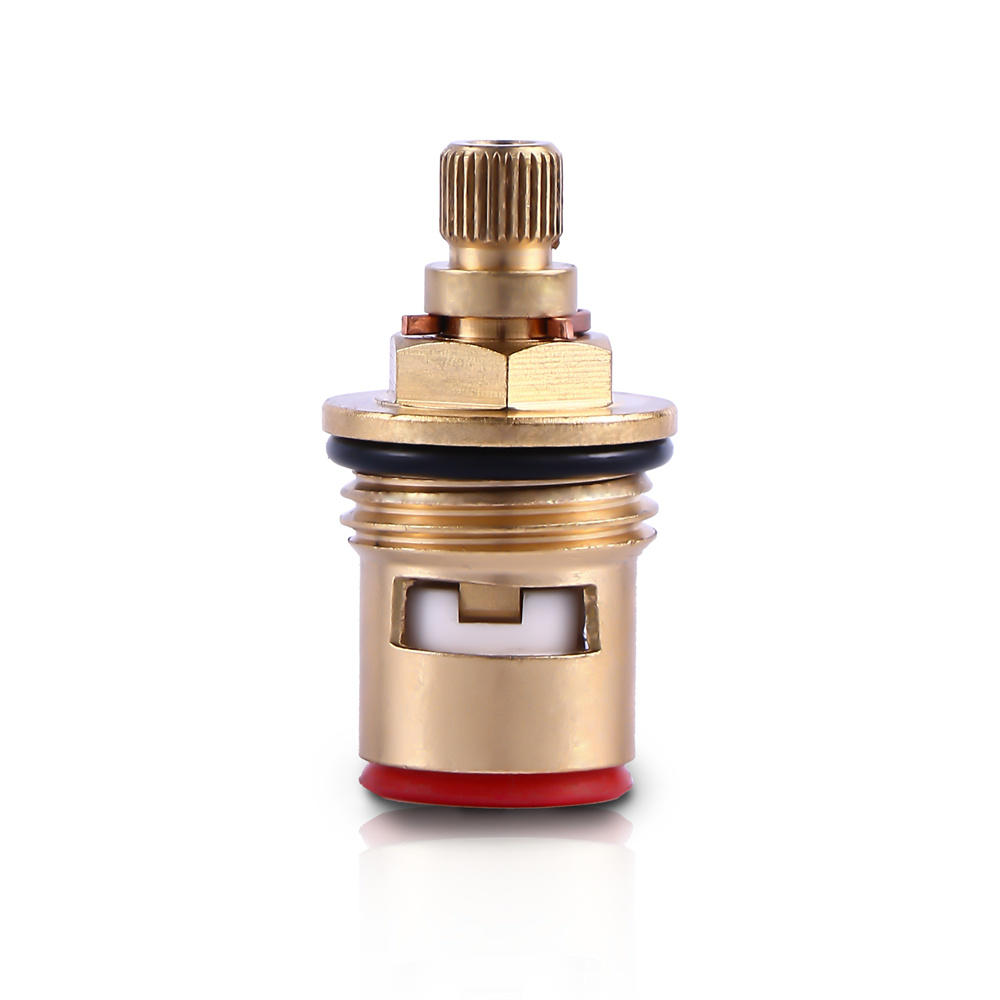
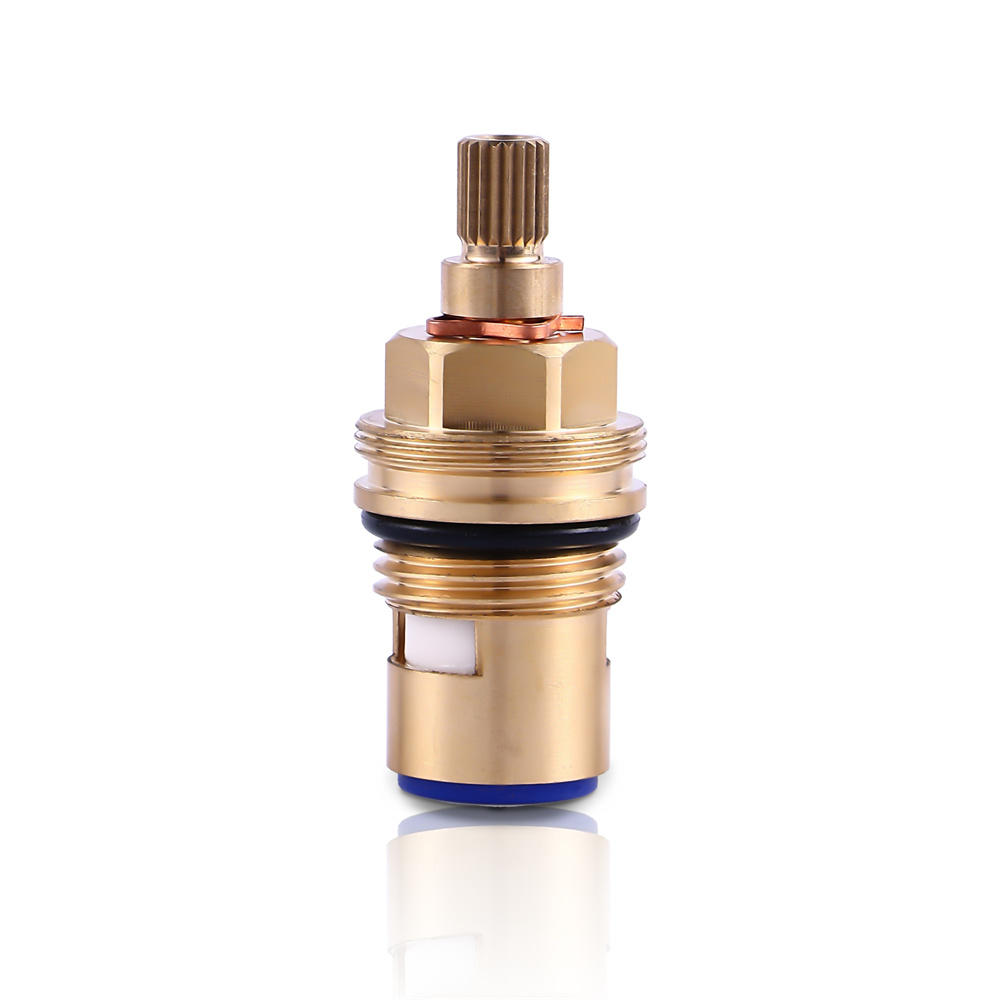
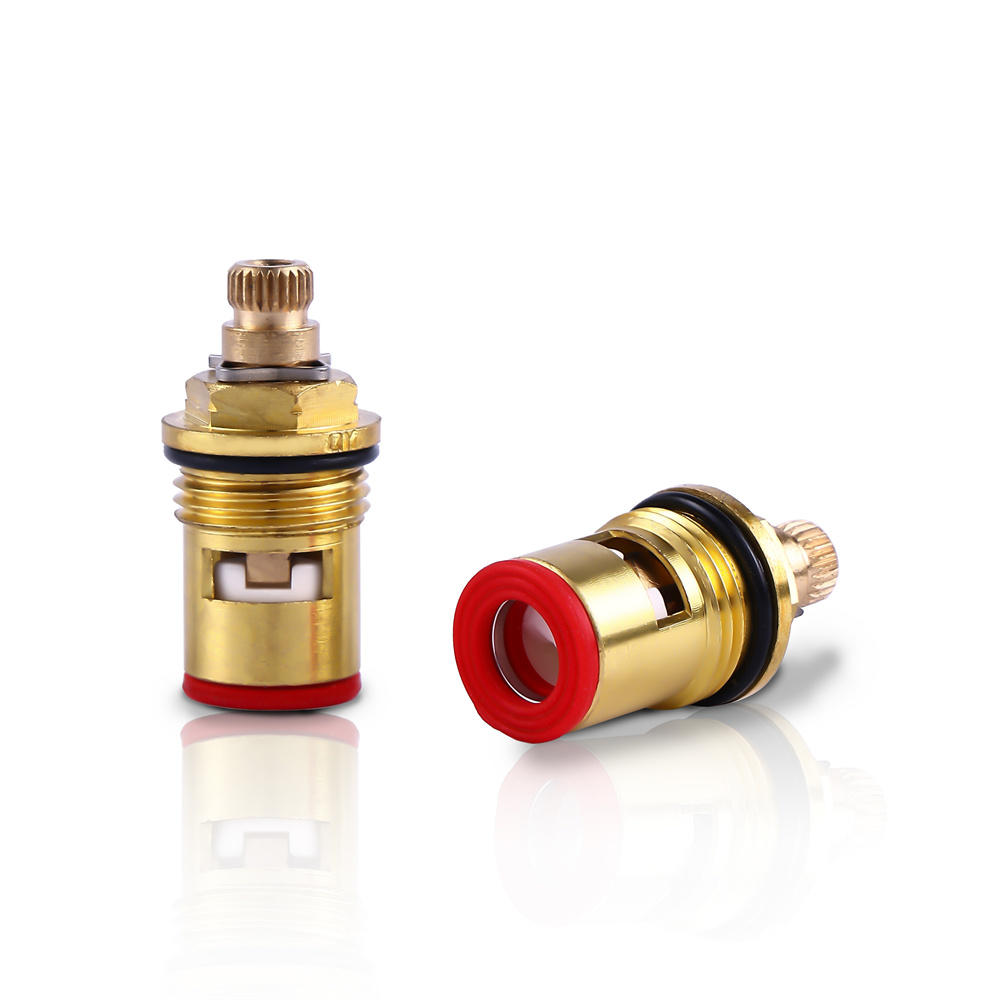
    When selecting components for modern faucets, durability and reliability are two of the important considerations. Among the different types of valve cores, the Copper Faucet Valve Core is often chosen due to its strong structural integrity, resistance to wear, and smooth operation. However, its actual performance can vary depending on the surrounding conditions, particularly in areas where water contains high levels of minerals such as calcium and magnesium. Hard water environments can introduce unique challenges that affect both short-term usability and long-term lifespan. Understanding how copper valve cores respond to such conditions is essential for both manufacturers and end users. Hard Water and Its Impact Hard water is characterized by a high concentration of dissolved minerals. These minerals tend to precipitate and accumulate within plumbing systems, forming deposits commonly known as limescale. Such buildup is not only unsightly but can also interfere with the performance of internal faucet components. Valve cores are particularly vulnerable since they are in constant contact with flowing water, making them a primary point where mineral residues may collect. Over time, this can influence the ease of operation, sealing ability, and overall function of the faucet. Resistance of Copper to Scaling Copper is known for its natural corrosion resistance, which makes it a favorable choice in plumbing applications. Unlike certain metals that may rust or degrade quickly, copper forms a stable protective layer on its surface. In hard water environments, this protective property helps slow down the rate at which mineral deposits adhere to the valve core. While scaling is still inevitable to some extent, the adhesion on copper surfaces tends to be less severe compared to other materials. This means that cleaning and maintenance are generally easier, extending the functional life of the valve core. Effects on Sealing Performance One of the primary functions of a valve core is to provide a watertight seal that prevents leakage. In mineral-rich water, deposits may accumulate around sealing surfaces, creating irregularities that compromise tight closure. For copper valve cores, the relative smoothness of the material helps reduce initial scaling, but as buildup increases over time, sealing efficiency can still be affected. This may manifest as dripping faucets, reduced pressure control, or inconsistent mixing of hot and cold water. Regular cleaning becomes essential in hard water conditions to preserve sealing performance. Maintenance and Cleaning Practices In households located in hard water regions, maintenance strategies can significantly improve the performance of copper valve cores. Periodic flushing with vinegar or other mild descaling solutions helps dissolve mineral deposits without damaging the metal. Additionally, some advanced faucet designs integrate removable components, making it easier to access and clean the valve core. Preventive maintenance ensures that scaling does not progress to a stage where it permanently damages the sealing surfaces or hinders smooth operation. Design Considerations for Hard Water Use Manufacturers are increasingly aware of the challenges posed by mineral-rich water and often design valve cores with additional protective measures. Coatings, improved sealing geometries, and hybrid material designs are being introduced to enhance resistance to scaling and wear. For copper-based valve cores, these innovations may include specialized surface treatments that further reduce the adherence of limescale. End users who live in hard water regions can benefit from selecting faucets that incorporate such advanced design features.

  • 03 Oct’ 2025
    Why Slow Opening Valve Core Well in High-Pressure Environments?

    High-pressure systems are commonly found in industrial, hydraulic, and gas distribution applications. Components used in such environments must withstand forces while maintaining reliable performance. Among these components, the Slow Opening Valve Core plays a critical role in regulating flow and pressure. Understanding how it behaves under high-pressure conditions is essential for engineers and operators to ensure safety, efficiency, and long-term system reliability. Structural Design and Pressure Handling The structural integrity of a Slow Opening Valve Core is a major factor in its high-pressure performance. These valve cores are typically engineered with robust materials such as stainless steel or high-strength alloys to resist deformation under intense pressure. The internal geometry, including the valve seat and tapered stem, is precision-machined to maintain tight tolerances and prevent leaks. In high-pressure systems, even minor distortions can compromise sealing, so durable materials and accurate manufacturing are essential to ensure consistent operation. Sealing Performance at High Pressure Sealing is perhaps the critical aspect of valve performance in high-pressure environments. A slow-opening design gradually engages the valve seat, allowing pressure to equalize before full flow. This gradual actuation reduces the risk of pressure spikes that could damage seals or cause leakage. Elastomeric or composite seals are often used to provide flexibility while maintaining durability, ensuring that the valve can maintain a tight seal even under sustained high-pressure conditions. Flow Control and Stability One advantage of using a Slow Opening Valve Core in high-pressure systems is its ability to stabilize flow. Rapid-opening valves can cause sudden surges, causing hydraulic shock or water hammer, which may damage pipes or connected equipment. The slow actuation mechanism moderates the increase in flow, reducing stress on the system. This controlled response is particularly important in pipelines carrying gases or liquids at high pressures, where abrupt changes could create dangerous conditions or reduce operational efficiency. Material Compatibility and Corrosion Resistance High-pressure environments often involve challenging conditions such as elevated temperatures, chemically aggressive fluids, or abrasive particles. The material choice for the valve core and seals significantly influences long-term performance. Stainless steel, brass, or coated alloys provide strength and resistance to corrosion, while specialized seals prevent degradation from high-pressure fluid exposure. Proper material selection ensures that the valve core maintains reliability and sealing integrity over extended service periods. Maintenance and Longevity Considerations While the slow-opening design reduces mechanical stress compared to rapid-opening valves, regular maintenance remains essential in high-pressure applications. Inspecting seals, cleaning the valve core, and checking for wear or deformation help maintain suitable performance. With proper maintenance, a well-designed Slow Opening Valve Core can operate reliably over many years, even under continuous high-pressure conditions. The combination of robust materials, precise engineering, and controlled actuation ensures long-term durability and safety. Practical Applications in Industry Slow-opening valve Cores are commonly used in natural gas pipelines, hydraulic systems, high-pressure water distribution, and chemical processing industries. Their gradual actuation provides both safety and efficiency, reducing the risk of equipment damage while ensuring stable flow. High-pressure systems benefit from their ability to moderate pressure transitions, maintain sealing integrity, and withstand long-term operational stresses. The Slow Opening Valve Core performs effectively in high-pressure environments due to its robust structural design, precise sealing mechanisms, and controlled actuation. By mitigating pressure spikes, maintaining stable flow, and resisting wear or deformation, these valves offer reliable performance across a wide range of industrial applications. Proper material selection and routine maintenance further enhance their long-term reliability, making them a preferred choice for high-pressure fluid and gas control systems.

  • 26 Sep’ 2025
    Key Differences Between Slow-Opening Valve Cores and Fast-Acting Valve Cores

    Valves are essential components in fluid and gas control systems, and the choice of valve core directly impacts system performance, safety, and efficiency. Among the different types, the Slow Opening Valve Core and fast-acting valve cores are two common designs. Each serves specific purposes depending on the operational requirements, and understanding their main differences is critical for engineers and system designers. Mechanism of Operation The fundamental distinction between these two types lies in their opening and closing mechanisms. A Slow Opening Valve Core is designed to gradually engage, allowing pressure to build up slowly and controlling flow incrementally. In contrast, fast-acting valve cores open or close almost instantaneously, delivering full flow with delay. The difference in actuation speed influences how the system responds to changes in pressure or demand, and each design has implications for safety and operational stability. Impact on System Pressure and Flow The gradual movement of a Slow Opening Valve Core reduces the risk of pressure spikes, water hammer, or sudden surges in fluid or gas systems. This characteristic is particularly important in pipelines, pressurized vessels, and sensitive equipment, where abrupt pressure changes could cause damage. Fast-acting valve cores, while providing rapid response, can introduce transient pressure fluctuations that require additional protective measures such as dampers or accumulators to prevent stress on the system. Sealing and Durability Considerations Sealing performance also differs between the two types. Slow-opening cores often incorporate precise seating and soft or flexible seals that maintain tight closure over repeated cycles, reducing leakage. The gradual engagement reduces wear on sealing surfaces, which can extend the service life of the valve. Fast-acting cores, by contrast, experience higher mechanical stress during sudden movement, potentially causing faster wear and higher maintenance requirements. Proper material selection and design are crucial to ensure durability for both types. Applications and Suitability The operational context determines which valve core type is preferable. Slow-opening designs are widely used in gas distribution systems, chemical processing, and water networks where controlled flow and safety are priorities. Fast-acting valve cores are suited for emergency shut-off, safety relief, or processes that demand rapid flow adjustments. Choosing between the two requires careful consideration of system dynamics, pressure levels, and potential hazards. Energy Efficiency and Operational Control In systems with fluctuating supply or demand, slow-opening valves can contribute to energy efficiency by preventing sudden surges that force compressors or pumps to work harder. They provide smoother system operation and allow for finer control over flow rates. Fast-acting valves, while responsive, may result in transient inefficiencies if not paired with auxiliary control devices to manage the immediate changes in flow and pressure. Maintenance Implications Maintenance needs also differ due to the mechanical stresses involved. Slow-opening valve Cores generally have lower wear rates, and routine inspection is sufficient to maintain performance. Fast-acting valves may require more frequent checks and potential replacement of seals or internal components to prevent leaks or mechanical failure caused by high-speed actuation. Understanding these differences helps in planning long-term operational strategies and maintenance schedules. The main differences between a slow-opening valve Core and a fast-acting valve core lie in actuation speed, pressure impact, sealing longevity, and application suitability. Slow-opening designs prioritize gradual control, reduced stress, and durability, while fast-acting cores emphasize rapid response for urgent or dynamic scenarios. Selecting the appropriate type depends on system requirements, safety considerations, and operational priorities, ensuring reliable and efficient performance across diverse fluid and gas control applications.

  • 19 Sep’ 2025
    How Slow-Opening Valve Core Operation Impacts Gas Flow Stability?

    Maintaining stable gas flow is critical in industrial, residential, and laboratory applications. Fluctuations in pressure or flow rate can compromise safety, reduce system efficiency, and damage equipment. The Slow Opening Valve Core is designed to regulate gradual valve movement, which raises the question of how its opening process affects gas flow stability. Understanding this relationship requires examining mechanical design, flow dynamics, and operational behavior. Gradual Valve Movement and Flow Regulation The primary feature of a Slow Opening Valve Core is its controlled actuation, which reduces the rate at which the valve opens. This gradual movement prevents sudden surges in gas pressure that can occur with rapid-opening valves. By allowing pressure to build incrementally, the system experiences smoother flow transitions. This characteristic is particularly important in pressurized systems or pipelines where abrupt changes could cause noise, vibration, or even structural stress. Impact on Flow Stability While slow opening reduces abrupt surges, the actual impact on gas flow stability depends on system design and operating conditions. In well-designed systems, the controlled actuation ensures a consistent and predictable increase in flow rate. However, if the valve core is undersized, improperly installed, or combined with a system that has fluctuating supply pressure, the slow opening could temporarily limit flow, causing minor variations before stabilization. Therefore, both valve sizing and proper installation are essential to achieving suitable flow stability. Mechanical and Structural Factors The internal geometry of the valve core, including its stem, seat, and tapered surfaces, significantly influences how smoothly the valve opens. A precisely engineered structure ensures that gas passes through the valve without turbulence or backflow during the gradual opening phase. Misalignment or imperfections in these surfaces can introduce instability, causing fluctuations in pressure and flow. High-quality materials and tight manufacturing tolerances help mitigate these risks and maintain smooth operation. Pressure Compensation and Flow Control Devices In some systems, additional flow control mechanisms, such as pressure regulators or dampers, are used in conjunction with the Slow Opening Valve Core. These devices complement the gradual opening by compensating for pressure variations upstream or downstream. Together, they create a stable and controlled environment, ensuring that gas flow remains consistent even during start-up, shutdown, or intermittent operation. This combined approach improves the stability benefits provided by the slow-opening mechanism. Operational Considerations and Maintenance Long-term performance and stability also depend on maintenance. Particulate matter, corrosion, or wear in the valve core can hinder smooth actuation, potentially causing minor flow fluctuations. Regular inspection, cleaning, and replacement of worn components preserve the designed opening characteristics, maintaining predictable gas flow. In systems where stability is critical, routine maintenance schedules should be strictly followed to prevent unplanned variations. Practical Applications and Benefits Slow valve Cores are widely used in natural gas distribution, compressed air systems, and laboratory gas supplies. Their ability to regulate pressure build-up gradually enhances operational safety and reduces stress on piping and connected equipment. For applications requiring precise flow control, such as chemical processes or HVAC systems, the controlled opening reduces flow spikes and supports stable system performance over time. The opening process of a Slow Opening Valve Core plays a crucial role in gas flow stability. Its gradual actuation helps prevent sudden surges, reduces turbulence, and enhances predictability in pressurized systems. While proper sizing, installation, and maintenance are essential, the inherent design of the valve core provides a reliable means to achieve consistent and stable gas flow, making it a valuable component in both industrial and residential applications.

  • 12 Sep’ 2025
    Evaluating the Suitability of Slow-Opening Valve Core for Liquid Media Control

    Precise control of liquid flow is critical for both safety and efficiency. The Slow Opening Valve Core is designed to regulate gradual valve movement, reducing pressure spikes and ensuring smooth operation. While commonly used in gas control systems, questions often arise regarding its applicability for liquid media. Assessing how this type of valve core handles liquids requires an understanding of flow dynamics, sealing requirements, and material compatibility. Controlling Flow in Liquid Systems Liquids are incompressible and exhibit different behavior than gases under pressure. Rapid valve movements can cause water hammer, cavitation, or sudden pressure surges, which may damage pipelines or connected equipment. The slow-opening feature of this valve core reduces the risk of such hydraulic shocks by allowing gradual pressure buildup. This characteristic makes it inherently suitable for applications where controlled flow is necessary, such as in water supply networks, chemical processing, and cooling systems. Sealing Considerations for Liquids Effective sealing is essential in liquid media because even minor leaks can result in significant fluid loss or contamination. The design of a Slow Opening Valve Core includes precise seating surfaces and often incorporates elastomeric seals, which can provide tight closure against incompressible fluids. Material selection is crucial, as seals must resist swelling, chemical degradation, and temperature fluctuations caused by the liquid being controlled. Properly designed, this valve core can maintain high sealing efficiency over extended periods, preventing leakage in demanding liquid applications. Material Compatibility and Corrosion Resistance The suitability of the valve core also depends on material compatibility with the liquid being handled. Corrosive, acidic, or alkaline fluids may react with certain metals or elastomers, reducing the life of the valve. Many slow-opening designs utilize stainless steel, brass, or coated components to resist chemical attack. Additionally, high-quality seals made from fluoropolymers or nitrile rubber are often chosen to ensure durability and maintain sealing under long-term exposure to aggressive liquids. Correct material selection allows the valve core to function effectively in diverse liquid environments without premature wear or failure. Flow Dynamics and Internal Design Liquids generate different flow patterns and pressures than gases. The internal geometry of a Slow Opening Valve Core, including tapered stems and contoured seats, ensures smooth engagement and controlled flow. This design reduces turbulence and avoids sudden surges that could damage pipes or equipment. In liquid systems where precision and stability are critical, such as metering pumps or process control lines, the gradual movement provided by this valve core improves both reliability and operational safety. Maintenance and Operational Reliability In liquid media applications, particulate matter or suspended solids can pose additional challenges. Over time, these particles may cause abrasion or blockages that affect valve performance. A slow-opening design helps reduce mechanical stress, limiting wear and extending service life. Regular maintenance, including cleaning and inspection, ensures that the valve continues to operate smoothly while maintaining accurate flow control. When combined with appropriate material selection, these features make the valve core highly reliable for long-term liquid applications. Practical Applications in Industry Slow-opening Valve Cores are well-suited for water treatment plants, chemical processing units, heating and cooling systems, and irrigation networks. Their ability to regulate pressure gradually, combined with robust sealing and corrosion resistance, allows them to handle a wide range of liquid media efficiently. By preventing pressure shocks and ensuring precise flow control, these valves protect downstream equipment and maintain consistent operational performance. The Slow Opening Valve Core is highly applicable for controlling liquid media when properly designed and maintained. Its gradual actuation, effective sealing, and durable materials allow it to manage incompressible fluids safely and efficiently. While material selection and maintenance are critical for ensuring long-term performance, the valve core’s structural and operational characteristics make it a reliable choice for liquid handling across various industrial and residential applications.

  • 05 Sep’ 2025
    Structural Design Influences the Sealing Performance of Slow-Opening Valve Core

    The Slow Opening Valve Core is a critical component in various fluid and gas control systems, designed to regulate the gradual opening and closing of valves. One of the important performance indicators for any valve core is its sealing ability. Effective sealing prevents leaks, maintains system pressure, and ensures safety in industrial, residential, and automotive applications. The structural design of the valve core directly affects how well it achieves these objectives, making design considerations central to both reliability and efficiency. The Role of Sealing Surfaces A primary factor in the sealing performance of a valve core is the precision of the sealing surfaces. In a slow-opening mechanism, the valve must make gradual contact with the seat, allowing controlled fluid or gas flow without sudden pressure spikes. Imperfections or misalignments in the sealing surface can cause small leaks, which may increase over time due to wear. High-precision machining and careful surface finishing are therefore essential to ensure that the valve core maintains tight sealing even after repeated cycles. Material Selection and Its Influence The choice of materials in constructing a Slow Opening Valve Core significantly affects sealing performance. Metal components must resist corrosion, abrasion, and deformation under pressure, while elastomeric seals must provide flexibility and maintain their shape over a wide temperature range. Some designs incorporate composite materials or coated metals to balance durability and sealing capability. The combination of rigid and flexible components must be engineered carefully to ensure that the valve core does not lose its sealing integrity over time. Internal Geometry and Flow Dynamics The internal geometry of the valve core also plays a crucial role. Slow opening mechanisms often involve tapered stems or specially contoured seats to ensure gradual engagement. This geometry reduces the risk of fluid hammer and ensures that pressure builds gradually rather than suddenly. However, overly complex designs may introduce gaps or misalignment risks, potentially compromising the seal. Designers must balance smooth flow dynamics with consistent contact between sealing surfaces to maintain leak-free operation. Influence of Assembly and Tolerances Even a well-designed valve core can underperform if assembly tolerances are not carefully controlled. The alignment of internal components, compression of sealing elements, and the seating of the valve stem all impact sealing. Tight manufacturing tolerances and quality control processes are critical to ensure that every unit functions as intended. Minor deviations can allow micro-leaks, which may compromise system efficiency and safety over long-term operation. Long-Term Reliability and Maintenance The structural design not only affects initial sealing but also long-term reliability. Wear patterns, pressure cycles, and exposure to varying temperatures can cause slight deformations that reduce sealing effectiveness. Designs that incorporate replaceable seals or modular components can mitigate long-term degradation. Regular inspection and maintenance help preserve the intended performance, but a fundamentally robust design reduces the frequency and complexity of required interventions. Practical Implications for System Safety Sealing performance has direct consequences for system safety. In gas or high-pressure fluid systems, inadequate sealing may cause leaks, pressure loss, or even hazardous situations. In low-pressure systems, even minor leaks can reduce efficiency and increase operational costs. By optimizing the structural design of a Slow Opening Valve Core—including materials, geometry, and assembly—engineers can achieve reliable sealing that supports safe, efficient, and predictable system operation. The sealing performance of a slow-opening valve is strongly dependent on its structural design. Precision in sealing surfaces, careful material selection, optimized internal geometry, and strict assembly tolerances all work together to ensure effective leak prevention. While maintenance and operational conditions play a role, a thoughtfully designed valve core provides a reliable foundation for long-term sealing performance. Ultimately, understanding and prioritizing structural design principles is essential for engineers seeking to improve both safety and efficiency in fluid and gas control systems.

  • 26 Aug’ 2025
    Understanding the Thermal Adaptability of Faucet Valve Cores in Varying Water Conditions

    Engineered for Thermal Resilience and Stability The Copper Faucet Valve Core is a crucial component in modern plumbing systems, known for its balance of durability and performance. One key aspect often evaluated is how well it adapts to fluctuating water temperatures. Given the frequent changes between hot and cold water in daily usage—whether in residential showers or commercial sinks—a reliable valve core must maintain operational stability without degrading or malfunctioning. Copper-based designs are often chosen for this reason, as the metal itself possesses good thermal conductivity and resistance to rapid temperature swings. Response to Sudden Temperature Changes In practical scenarios, water temperature can change rapidly, such as when switching between cold and hot taps or when water heaters cycle on and off. A responsive valve core must accommodate such shifts without allowing internal stress or leaks to develop. Copper’s thermal expansion characteristics allow it to adjust with structural deformation. Unlike some plastics or lower-grade alloys that may warp or crack under thermal pressure, copper remains dimensionally stable, which helps maintain consistent flow regulation and prevent long-term wear. Material Properties that Support Thermal Performance Copper is naturally well-suited to managing heat. Its high thermal conductivity ensures that temperature changes are distributed evenly across the valve surface, reducing localized stress points. This helps prevent fatigue over time and contributes to consistent mechanical performance. Additionally, copper’s corrosion resistance enhances its longevity in systems exposed to both high heat and humidity, common in hot water environments. This makes it ideal for use in faucets, showers, and other high-frequency water outlets where thermal stability is essential. Impact on Flow Control and User Comfort When exposed to varying temperatures, a valve core must still regulate water flow accurately. If internal components expand or contract inconsistently, it can affect how smoothly the valve operates. Copper cores, thanks to their dimensional integrity and minimal reactivity, maintain precise control. This results in smooth handle rotation, accurate temperature mixing, and steady water output, which all contribute to improved user comfort and product reliability. Even in long-term use, users often experience little variation in performance regardless of temperature fluctuations. Compatibility with High-Temperature Plumbing Systems Many plumbing systems are now designed for higher efficiency, meaning they operate at higher water temperatures to reduce energy usage. Valve components must therefore withstand these elevated temperatures without degrading. Copper, with its metallurgical robustness, is frequently used in such systems due to its ability to tolerate high-temperature exposure without softening or releasing harmful residues. This makes it a safe and effective choice for homes and facilities relying on advanced water heating technologies. Long-Term Performance Across Seasonal Changes Homes in regions with distinct seasonal changes may experience shifts in incoming water temperature. A quality valve core must adapt to both winter’s cold water and summer’s warmth without performance loss. Copper-based cores demonstrate impressive consistency across these conditions, ensuring users do not experience jerky valve movement, dripping, or failure. Their performance under variable conditions is often good to alternatives that rely on synthetic materials, which may become brittle in cold or soften in heat. Conclusion Adapting to water temperature variation is a critical measure of valve core quality, and copper-based solutions consistently meet the challenge. Through a combination of thermal conductivity, mechanical resilience, and corrosion resistance, they ensure stable operation even in demanding environments. For both everyday use and high-performance systems, their ability to handle temperature changes makes them a trusted choice in plumbing applications.

  • 22 Aug’ 2025
    Evaluating the Environmental Benefits and Recyclability of Copper-Based Faucet Valve Cores

    Focus on Material Composition and Environmental Footprint The Copper Faucet Valve Core, commonly found in household and industrial plumbing fixtures, is valued not only for its mechanical strength but also for its environmental attributes. Copper, as a base material, offers inherent ecological advantages due to its natural abundance, long service life, and recyclability. As the world becomes more aware of sustainable design and green manufacturing, components like this valve core are being reevaluated for their environmental compatibility across the entire product lifecycle. Recyclability of Copper Components Copper is one of the efficiently recycled metals globally, with nearly all of its properties retained after each cycle of reuse. This makes the valve core not only durable but also part of a sustainable materials loop. Once a valve reaches the end of its operational life, it can be disassembled, and the copper content can be reclaimed for new applications, ranging from new plumbing components to electrical wiring or even building materials. This closed-loop system significantly reduces the environmental burden compared to components made of composite plastics or ceramics, which are harder to recycle and often end up in landfills. Longevity Means Less Frequent Replacement Another key ecological benefit lies in the long operational lifespan of copper components. Unlike plastic valve cores that may degrade quickly due to heat, pressure, or chemical exposure, copper maintains its structural integrity over time. This reduces the frequency of replacement and, as a result, lowers the overall consumption of raw materials and energy required for production and logistics. The extended life cycle contributes to a lower carbon footprint per unit, especially when installed in high-usage environments such as hotels, public restrooms, or industrial facilities. Energy Efficiency in Recycling The process of recycling copper requires significantly less energy than extracting it from virgin ore. Studies have shown that recycling copper consumes up to 85% less energy than primary production, making it an efficient and eco-conscious option for manufacturers and consumers alike. When products like valve cores are designed for easy disassembly, the recycling process becomes even more straightforward, further enhancing their environmental value. This energy efficiency translates to reduced emissions and lower industrial waste, aligning well with global sustainability goals. Non-Toxicity and Water Safety From a health and environmental safety perspective, copper also has benefits. It is a naturally antimicrobial material, which can inhibit the growth of harmful bacteria in water systems. Moreover, it does not leach toxic substances under standard use, ensuring that both the user and the environment remain unharmed. While concerns about heavy metal exposure occasionally arise, modern manufacturing ensures that any copper components used in plumbing are coated or alloyed in ways that meet safety standards. End-of-Life Disposal and Reuse Considerations When a valve core is no longer functional, its environmental footprint is reduced by the ability to recover and repurpose the core materials. Many recycling centers accept pure or alloyed copper parts, where the material is sorted, melted, and reused in new products. In some cases, refurbishment of the existing component may even be possible, providing an alternative to full replacement. This modularity supports circular design principles and makes copper-based components attractive to eco-conscious developers and end-users. Conclusion From initial production through end-of-life recycling, copper valve cores exhibit an environmental profile. Their durability reduces material consumption, while their recyclability ensures they remain part of a sustainable resource cycle. As industries continue to move toward greener technologies, such components will play an increasingly important role in achieving responsible material stewardship and long-term ecological balance.

  • 15 Aug’ 2025
    How Valve Core Sensitivity Influences Precision and Comfort in Daily Faucet Use

    Introduction to Valve Core Sensitivity In the world of plumbing components, valve core sensitivity plays a vital role in determining how easily users can adjust water temperature and flow. The Copper Faucet Valve Core is often associated with reliable performance and structural integrity, but questions are frequently raised about how responsive it is to user input. Whether in residential bathrooms or commercial wash stations, the ability to finely control water output contributes directly to user comfort, safety, and efficiency. The Mechanical Nature of Adjustment The sensitivity of any valve core depends largely on its internal structure and how smoothly it responds to rotational or lever-based input. In the case of copper-based cores, the material’s inherent workability allows for precise machining of threads and interfaces, contributing to smooth movement. Well-engineered copper valve cores often feature precision-ground surfaces and tight mechanical tolerances, which enhance responsiveness during adjustments. This allows users to achieve their desired temperature or pressure with effort and greater predictability. Resistance, Feedback, and Flow Control Another factor influencing sensitivity is the level of resistance felt during adjustment. A good valve core should provide tactile feedback without being too stiff or too loose. Copper valve cores generally strike a balance between durability and responsiveness. Users typically experience a consistent feel when turning the handle, with small movements resulting in noticeable changes in water output. This makes the valve more intuitive to operate, particularly in environments where water temperature needs to be changed frequently or with precision, such as in kitchens or laboratories. Response to Water Pressure Variations Sensitivity can also be affected by external variables such as fluctuating water pressure. Valve cores that are too tight or imprecisely constructed may become difficult to adjust under high pressure, causing jerky or uneven operation. Copper’s structural integrity under pressure helps maintain stable valve function, allowing for smoother transitions even when flow rate or pressure changes. This consistency is especially important in older buildings or areas with unstable municipal water systems. Comparison to Other Valve Core Types Compared to plastic or ceramic valve cores, copper components offer a different kind of tactile experience. Ceramic models are known for their extremely low friction and almost frictionless glide, but they may feel overly sensitive or too loose for users who prefer a firmer turning sensation. Copper valve cores, by contrast, often provide a more mechanical and deliberate feel, which many users associate with reliability. While ceramics may respond to even the slightest touch, copper offers a more controlled and steady adjustment curve. Maintenance and Long-Term Sensitivity Over time, valve cores can lose sensitivity due to mineral buildup, corrosion, or wear. However, copper’s natural resistance to rust and its compatibility with standard cleaning agents mean that it maintains its adjustment quality longer than many alternative materials. When combined with proper sealing components such as rubber or silicone washers, a copper valve core can continue delivering precise control even after years of daily use. Its reparability also allows for worn components to be easily replaced without discarding the entire valve system. Conclusion The adjustment sensitivity of a faucet valve core is more than just a matter of convenience—it directly affects water conservation, user safety, and long-term satisfaction. Copper-based cores perform well in this regard, offering a responsive and consistent experience that balances tactile control with mechanical durability. For those seeking a dependable solution that delivers both precision and longevity, copper remains a strong and well-balanced choice in valve core design.

  • 08 Aug’ 2025
    Comparison Between Copper and Ceramic Valve Cores in Faucet Design

    Durability and Wear Resistance One of the major distinctions between the two materials lies in their durability. Ceramic valve cores are known for their hardness and long-lasting performance, especially in environments where users frequently adjust water temperature or pressure. Their surfaces are resistant to scratching and abrasion, which helps maintain their sealing capability over time. In contrast, the Copper Faucet Valve Core, while durable in its own right, is more susceptible to wear under high-friction or high-use conditions. However, copper’s natural resilience to corrosion and rust offers a reliable advantage, particularly in systems where water purity is a concern. Performance in Varying Water Conditions Water quality can greatly influence the longevity and efficiency of a valve core. Ceramic options are particularly vulnerable to hard water conditions, as mineral buildup may cause leaks or restricted movement over time. Cleaning mineral deposits off ceramic surfaces can be challenging, and repeated scaling may eventually require replacement. Copper, on the other hand, performs more steadily in mixed water quality environments. It has natural antimicrobial properties and resists scaling better than ceramics, reducing the likelihood of malfunction due to water contaminants. This makes copper cores more adaptable for areas with inconsistent water purity. Sealing Capability and Leakage Prevention Both valve core types are designed to decrease leakage, but they achieve this in different ways. Ceramic valve cores rely on polished discs that slide against each other to create a watertight seal. When manufactured precisely, they provide good leak resistance with minimal maintenance. The copper variant typically uses rubber or polymer seals, which can degrade over time but are easier and cheaper to replace. While ceramic models may last longer without needing service, once damaged, they often require full replacement. Copper systems offer more flexibility in maintenance, especially for users familiar with basic faucet repair. Environmental and Health Considerations Environmental safety and human health are growing priorities in modern manufacturing. Ceramic valve cores are chemically inert and do not leach into the water supply. However, they require significant energy to produce, and their breakability increases the potential for waste. Copper components, in contrast, are highly recyclable and biodegradable. Additionally, copper possesses inherent antimicrobial properties, which may contribute to improved water hygiene, especially in public or medical facilities. The choice between the two often depends on balancing the environmental footprint with product performance and safety. Cost, Customization, and Availability From a cost perspective, ceramic valve cores are generally more expensive upfront, especially those made with advanced sealing technologies. However, their extended life span may offset the initial investment. Copper alternatives tend to be more affordable and easier to customize in size and configuration, making them appealing for low-cost or high-volume installations. Additionally, copper cores are often compatible with older plumbing systems, adding to their versatility and widespread availability in replacement parts markets. Conclusion Ultimately, the decision between a copper or ceramic valve core depends on the specific priorities of the application. For users seeking long-term, low-maintenance performance in stable water conditions, ceramic valve cores offer a compelling option. However, if adaptability, environmental friendliness, and ease of maintenance are key considerations, copper remains a highly viable and cost-effective alternative. Each material brings its own set of benefits and challenges, and understanding these differences ensures a more informed and satisfactory choice in faucet technology

  • 01 Aug’ 2025
    A Detailed Comparison of Copper Faucet Valve Cores and Ceramic Valve Cores

    Introduction: Two Common Valve Core Materials When it comes to faucet components, the valve core is one of the important internal parts. It directly affects water flow, mixing precision, durability, and leak prevention. Among the commonly used types are the Copper Faucet Valve Core and the ceramic valve core. Both offer distinct advantages and limitations, and understanding these differences helps consumers make better choices for household or commercial plumbing needs. Durability and Lifespan Ceramic valve cores are widely praised for their long-lasting performance. They use two highly polished ceramic discs that rotate against each other, creating a tight seal without much wear. These valve cores are known for lasting many years without dripping, provided they are kept free of debris. In contrast, a Copper Faucet Valve Core often relies on rubber washers or gaskets to seal the water flow. While copper itself is durable and corrosion-resistant, the sealing parts can wear out over time, especially under frequent use or exposure to hard water. However, copper cores are typically easier to repair by simply replacing the worn washers, whereas ceramic cores usually need to be replaced entirely once they fail. Performance in Varying Water Quality Ceramic valve cores are more sensitive to water impurities. Small particles like sand or mineral scale can scratch the ceramic surfaces or cause them to jam. This can result in stiffness or complete failure over time if filters are not used. On the other hand, copper valve cores are generally more tolerant of poor water conditions. Though they may suffer from scale buildup or gasket wear, they are less likely to jam completely. This makes them a more forgiving option in older plumbing systems or regions with hard water. Temperature and Pressure Resistance Both types of valve cores perform well under standard residential water pressures and temperatures. However, ceramic valve cores tend to handle high temperatures better and are more commonly used in high-end faucets that prioritize smooth and precise temperature control. Copper valve cores are also heat-resistant, thanks to the material’s thermal stability, but the rubber sealing components may degrade faster under constant high temperatures. In terms of pressure, both valve types function reliably when properly manufactured, though ceramic discs tend to create a tighter seal with less effort. Maintenance and Repair One of the key advantages of a Copper Faucet Valve Core is its repairability. Users can often replace washers or O-rings without needing to remove the entire valve core, making it a cost-effective option for long-term use. Ceramic valve cores, while low-maintenance under good conditions, typically require full replacement once damaged. In areas with older plumbing or inconsistent water pressure, the serviceability of copper valve cores may be a major advantage, especially for do-it-yourself homeowners or commercial facilities seeking easier maintenance. Cost Consideration Generally, copper valve cores are more affordable than ceramic ones. This price difference reflects not only the materials used but also the manufacturing complexity. For budget-conscious consumers or in applications where ultimate precision is not required, copper cores offer a solid balance of performance and value. Ceramic valve cores, while more expensive, provide a quieter and smoother user experience, especially in high-end fixtures. Conclusion The choice between a Copper Faucet Valve Core and a ceramic valve core depends largely on the intended application and user priorities. Copper cores offer good durability, better tolerance to poor water quality, and easier maintenance, making them ideal for practical, everyday use. Ceramic valve cores, meanwhile, provide good sealing performance and longevity under clean, stable conditions. By weighing these pros and cons, users can select the valve core suited to their plumbing environment and long-term maintenance preferences.

  • 25 Jul’ 2025
    Evaluating the Sealing Performance of Copper Faucet Valve Cores in High Water Pressure Environments

    The Importance of Sealing Under High Pressure In any faucet system, maintaining a reliable seal is essential to prevent leaks, ensure user safety, and uphold water efficiency. When dealing with high water pressure environments—such as in tall buildings, certain commercial facilities, or regions with strong municipal pressure—the demand placed on valve cores increases significantly. The valve must not only control water flow precisely but also remain leak-free under elevated stress levels. Material Strength and Structural Integrity of Copper Copper is known for its good structural integrity and corrosion resistance, which makes it a preferred material in valve components. A Copper Faucet Valve Core, in particular, offers high tensile strength and durability, allowing it to withstand significant water pressure without deforming or cracking. These characteristics are critical when the valve core is the primary barrier between high-pressure water and the faucet outlet. Unlike plastic components, which may warp or degrade over time, copper maintains its shape and function across a wide range of pressures and temperatures. This inherent strength ensures that the valve housing can support the sealing elements properly, even when subjected to pressures that exceed standard residential levels. Sealing Mechanism: More Than Just Material The effectiveness of a valve core's seal in high-pressure conditions also depends on the sealing design, not just the metal itself. Most Copper Faucet Valve Cores are paired with rubber or silicone O-rings, washers, or ceramic discs that create a watertight barrier. When these elements are compressed properly within a well-machined copper body, they provide a highly effective seal that resists both static and dynamic water pressure. In high-pressure scenarios, the sealing components must remain pliable enough to form a tight closure while resisting extrusion or breakdown. Copper supports this function by providing a rigid and stable seat that holds the sealing materials in place, preventing them from being displaced under pressure. Pressure Ratings and Product Quality Reputable manufacturers often test and rate their valve cores for specific pressure tolerances. Many high-quality copper valve cores are rated to handle pressures well above standard residential levels, often up to 1.0 MPa (approximately 10 bar) or more. When used within these design limits, the valve core performs reliably, and its sealing elements maintain their integrity over extended use. It is worth noting that lower-quality or untested valve cores, even if made from copper, may not offer the same sealing performance. Factors such as poor machining tolerances, inferior O-ring materials, or improper assembly can cause leaks or seal failure under high pressure. Therefore, choosing a certified and well-reviewed product is essential for high-pressure applications. Maintenance and Long-Term Reliability Even in high-pressure systems, a properly installed Copper Faucet Valve Core can offer many years of leak-free performance. However, regular inspection is advised, especially in areas with fluctuating pressure or hard water, which can accelerate wear on sealing components. Replacing worn O-rings or gaskets periodically helps maintain the overall sealing capability. In some cases, failure under pressure is due to aged or degraded seals rather than the copper body itself. Fortunately, the metal component is usually reusable and compatible with replacement parts, making maintenance cost-effective and straightforward. Conclusion Copper Faucet Valve Cores provide good sealing performance in high water pressure environments, thanks to copper’s mechanical strength, corrosion resistance, and stability. When paired with quality sealing materials and installed correctly, these valve cores maintain watertight integrity under pressure, making them a dependable choice for both residential and commercial plumbing systems. With proper maintenance, they continue to offer reliable performance even in demanding water supply conditions.